Water security in Saudi Arabia depends increasingly on making better use of every available resource. In an arid country, this means not only conserving freshwater, but recovering wastewater safely, improving the efficiency of treatment and ensuring that water quality can be monitored reliably as reuse expands. These priorities are reflected in Saudi Vision 2030 and the National Water Strategy 2030, which place efficiency, reuse and sustainable water management at the center of the Kingdom’s long-term water agenda.
Over 2025 KAUST continued supporting this transition by taking water technologies and expertise beyond the University and testing them in the environments where they could ultimately be used. Through cooperation with government entities, public-sector operators, industry and regional organizations, the University is connecting research on treatment, reuse and monitoring with both off-campus water conservation and wider water security needs.
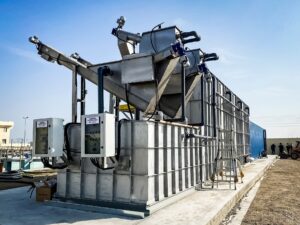
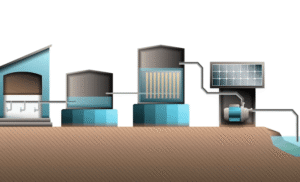
One focus is decentralized wastewater treatment, which offers one approach to expanding water reuse. By treating wastewater closer to where it is generated, these systems can create opportunities for local water recovery while reducing dependence on freshwater supplies. KAUST has been working with the Saudi Authority for Industrial Cities and Technology Zones (MODON), the national government authority responsible for developing and operating industrial cities, to demonstrate an anaerobic membrane bioreactor-based treatment process. Operational data collected over three years is being used to assess whether the technology can combine effective treatment with lower energy requirements, reduced environmental impacts and viable costs. Early findings indicates strong pollutant removal and substantially lower climate impacts than conventional aerobic treatment.
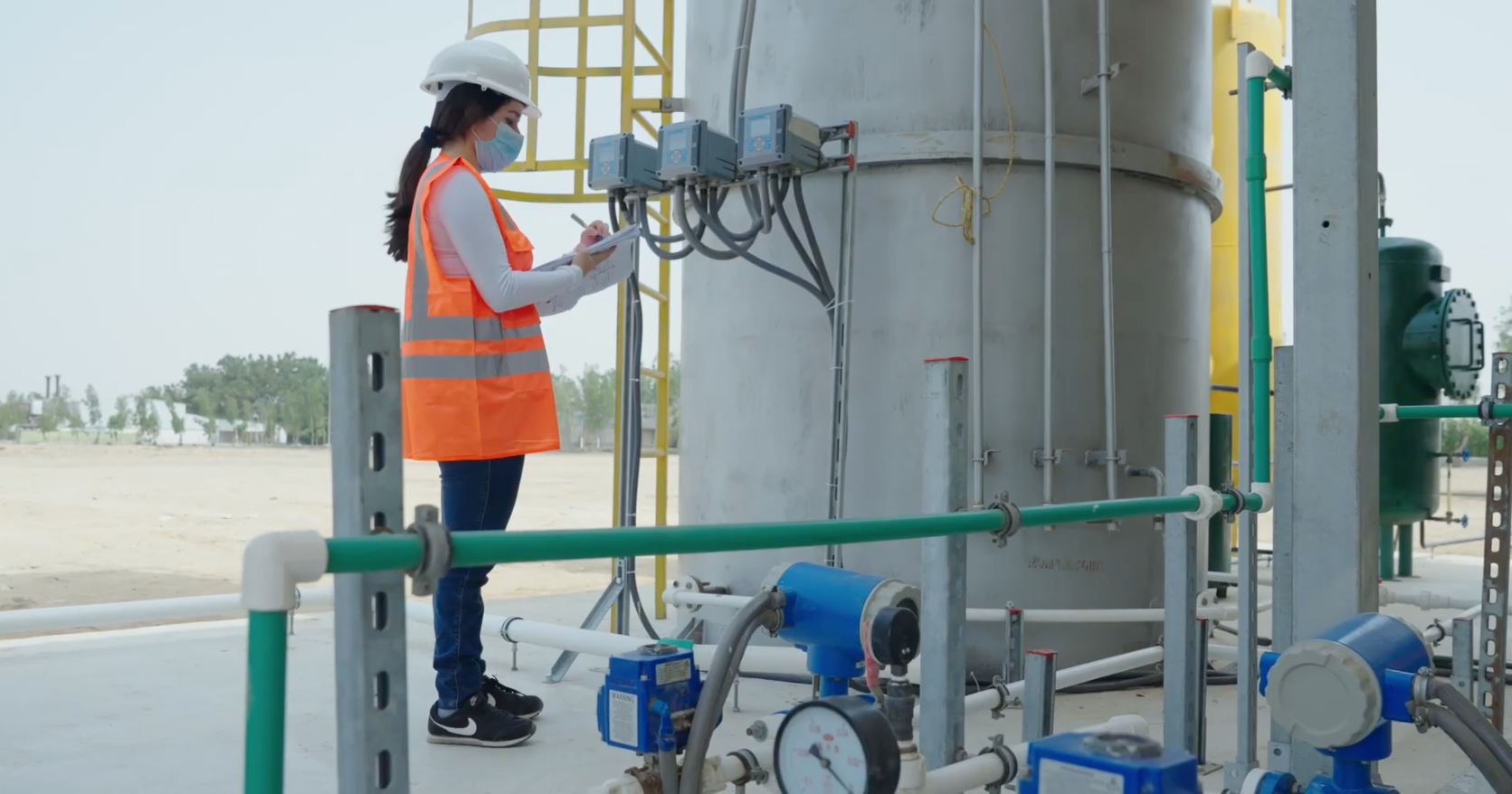
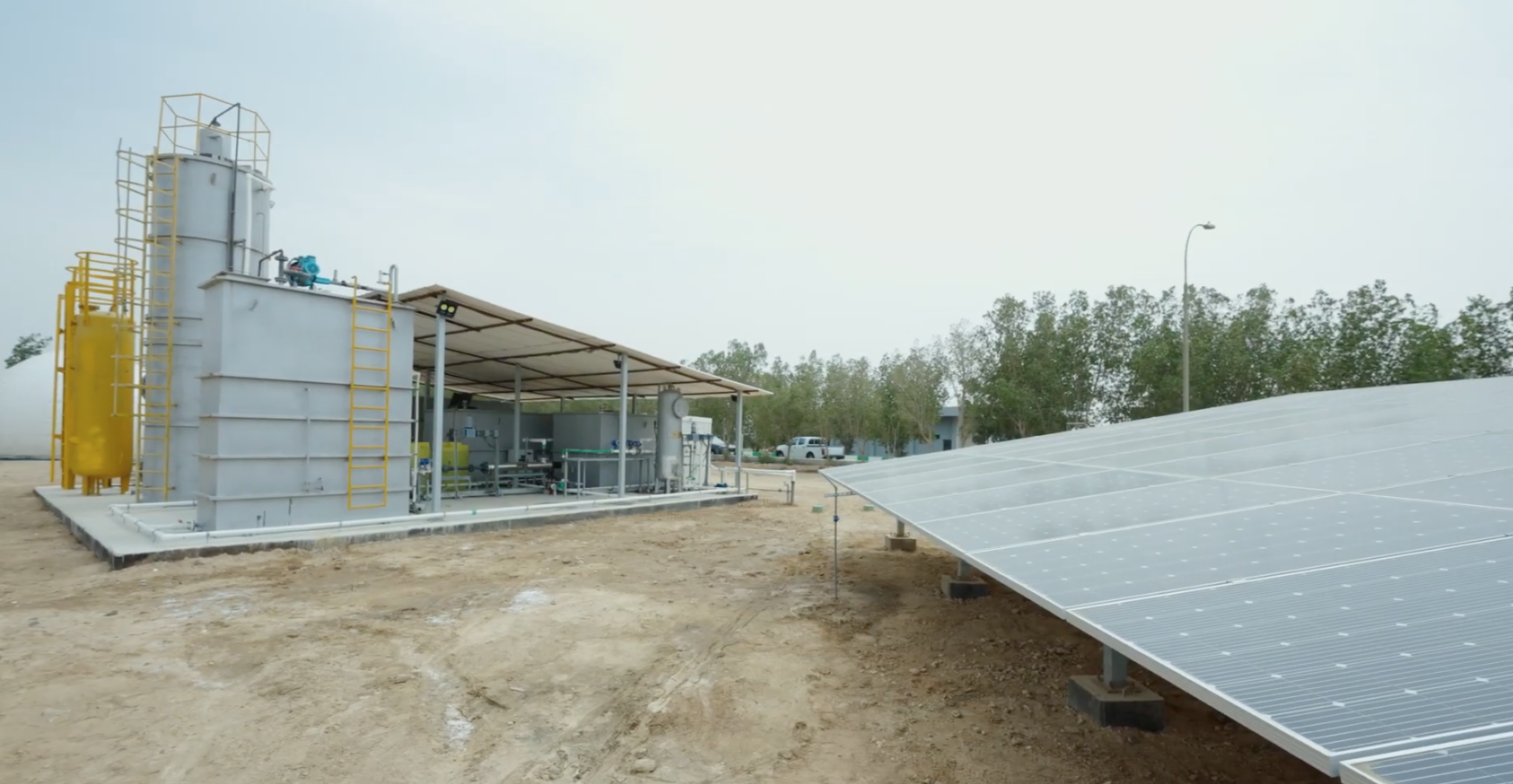
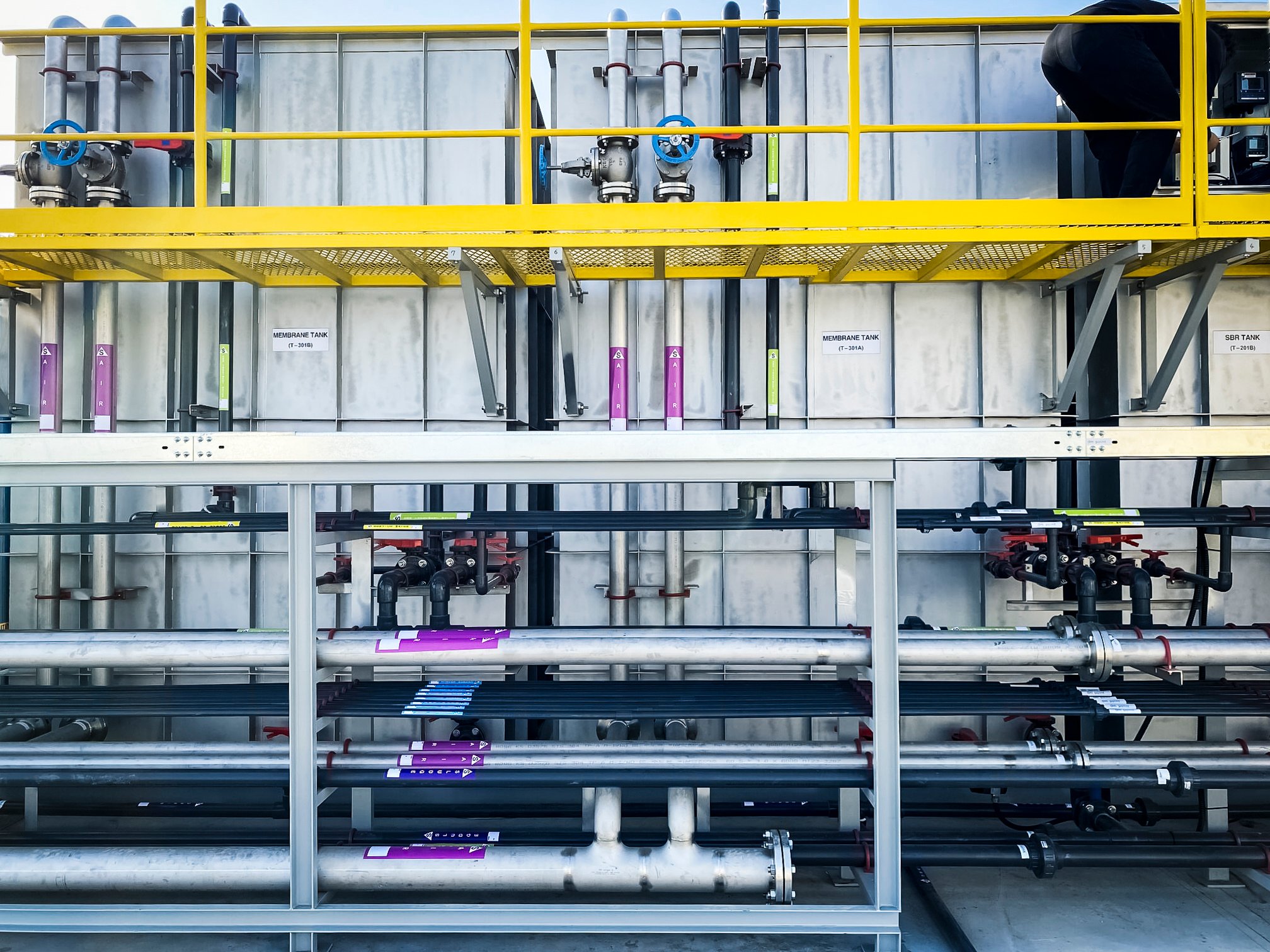
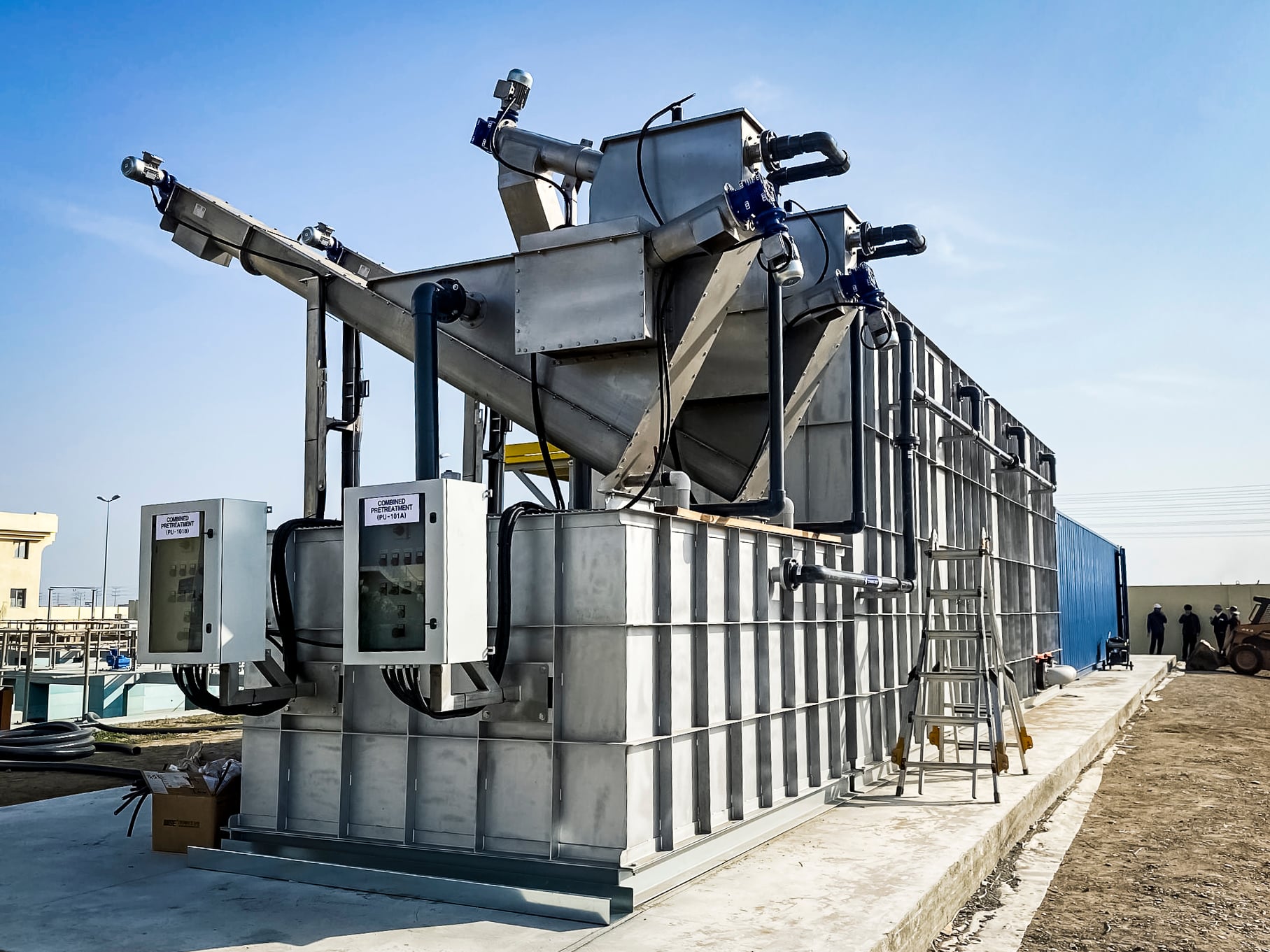
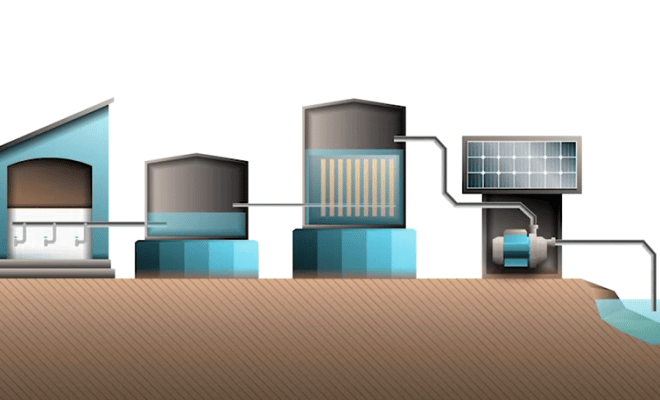
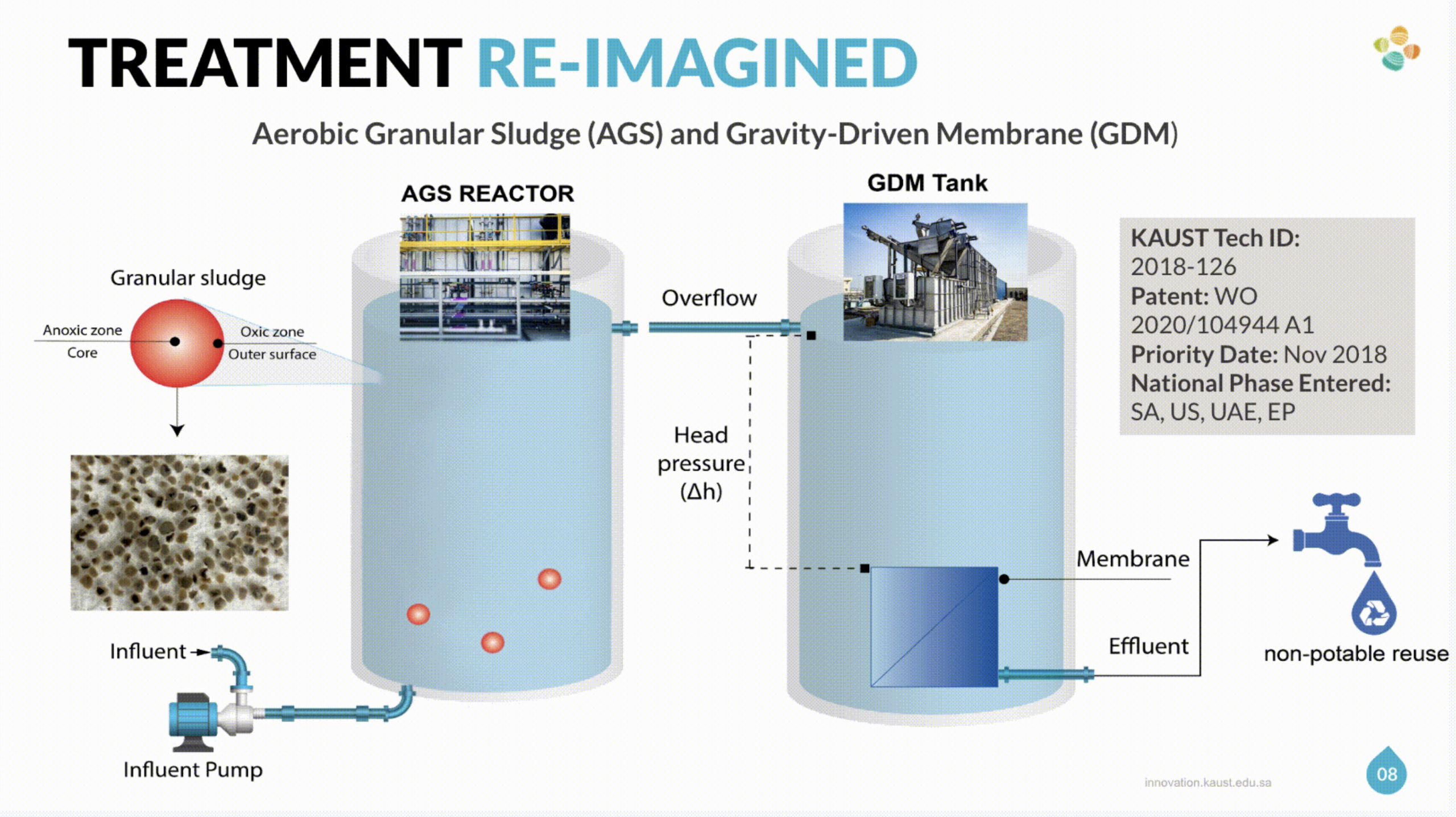
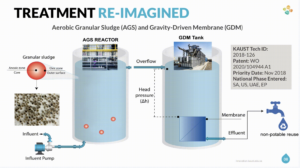
A different challenge is making decentralized reuse practical in locations where conventional sewer infrastructure may be limited or unavailable. NuRain, a KAUST spin-out, is commercializing a compact and modular wastewater-treatment system developed at the University that can be installed close to where water is needed. A 100 m³/day containerized system operated at a National Water Company sewage treatment plant in Rabigh, treating the equivalent of approximately 1,000 to 2,000 people. It produced water suitable for non-potable uses such as irrigation, landscaping and industry. Compared with conventional treatment, it has demonstrated considerably lower energy demand and sludge production. Because the system is modular, and can be operated remotely, it offers a potential pathway for expanding local water reuse in communities and sites without access to centralized sewer networks.
Treatment, however, is only part of the challenge. Expanding water reuse also requires confidence in water quality. Work with Sadeem, a KAUST startup specializing in smart environmental monitoring, and its planned water-technology subsidiary Furat, has led to the commercialization of an AI-enabled platform for continuous water-quality monitoring. By combining sensors, digital connectivity and analytics, the system can track chemical and microbial parameters in real time. Pilot and commercial engagements across industrial, municipal, groundwater and agricultural settings are helping test how this capability can support faster, data-informed decisions outside the laboratory.
Together, these collaborations illustrate a broader approach to off-campus water conservation and cooperation on water security. More efficient treatment can make reuse viable, better monitoring can make it safer and more reliable, and shared evidence can improve decisions across institutions and borders. By working with government and external partners on each of these elements, KAUST is helping translate water research into practical systems that can strengthen water resilience in Saudi Arabia and the wider region.