Universities are increasingly expected to do more than generate knowledge. They also have an important role in sharing evidence, testing approaches across different contexts and creating opportunities for institutions across countries and sectors to learn from one another. International collaboration creates opportunities to compare what works, strengthen common methods and adapt successful approaches to different social, environmental and economic contexts.
Throughout 2025, KAUST participated in global higher-education networks, collaborative learning initiatives and international forums that supported the exchange of data, knowledge and best practice for the Sustainable Development Goals.
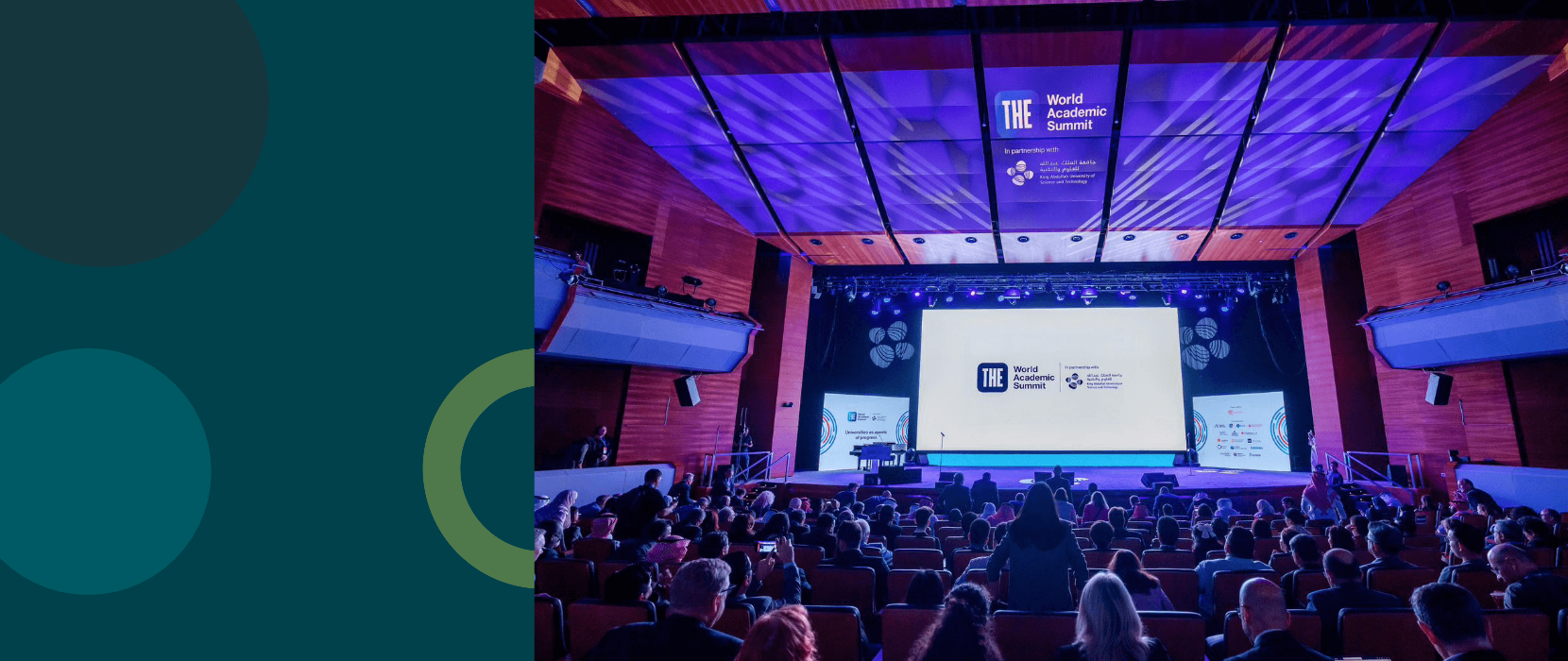
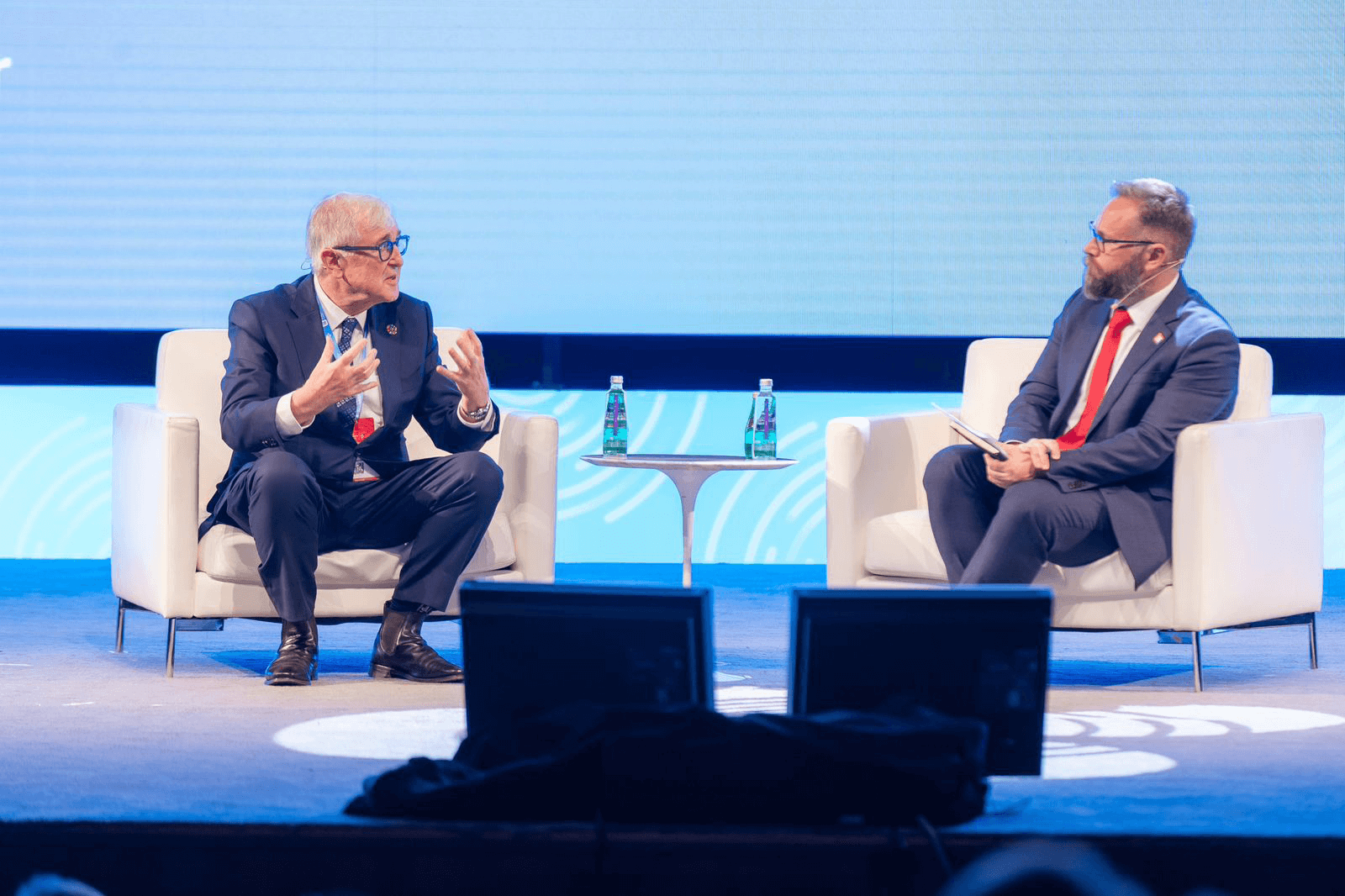
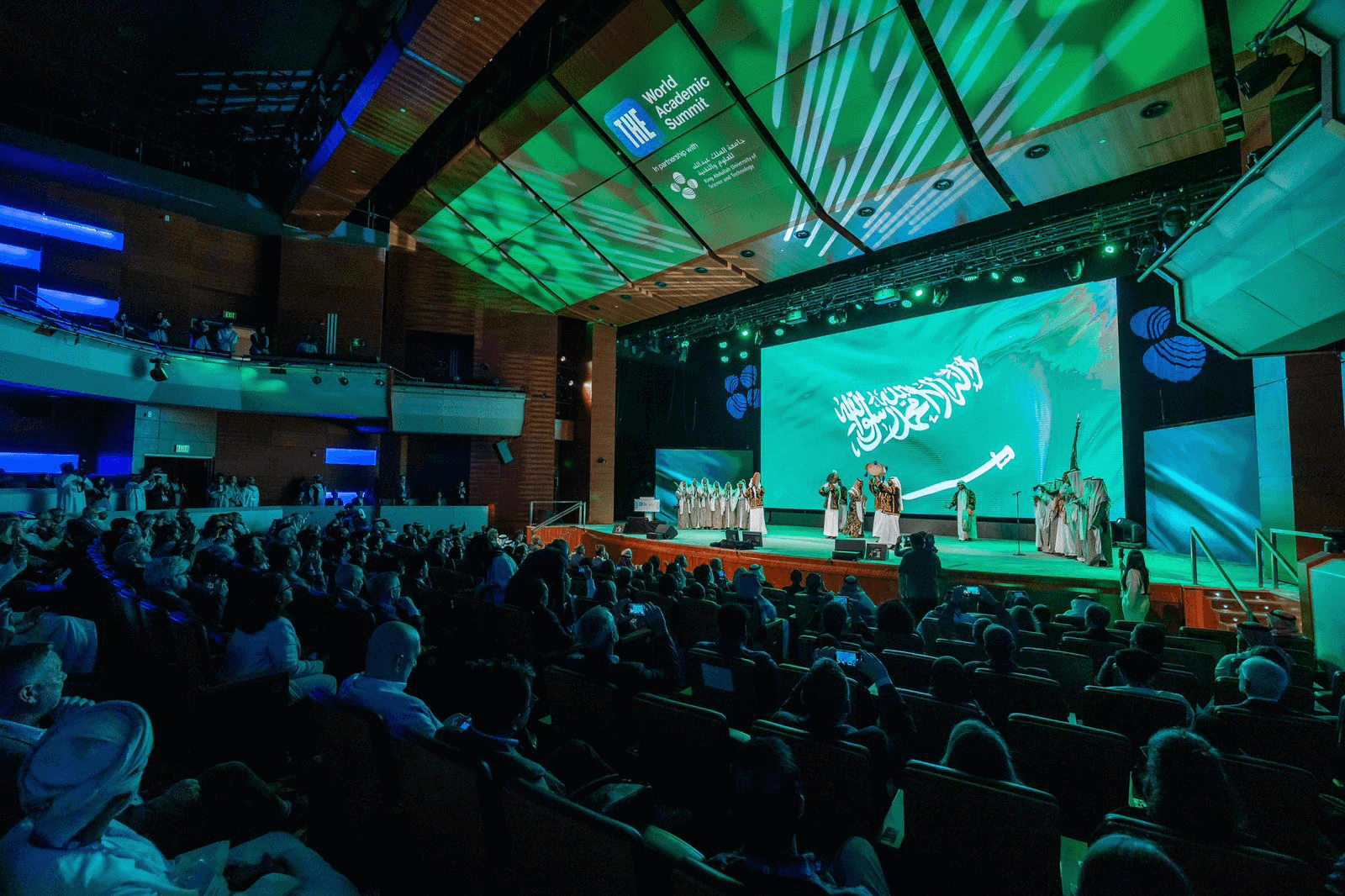
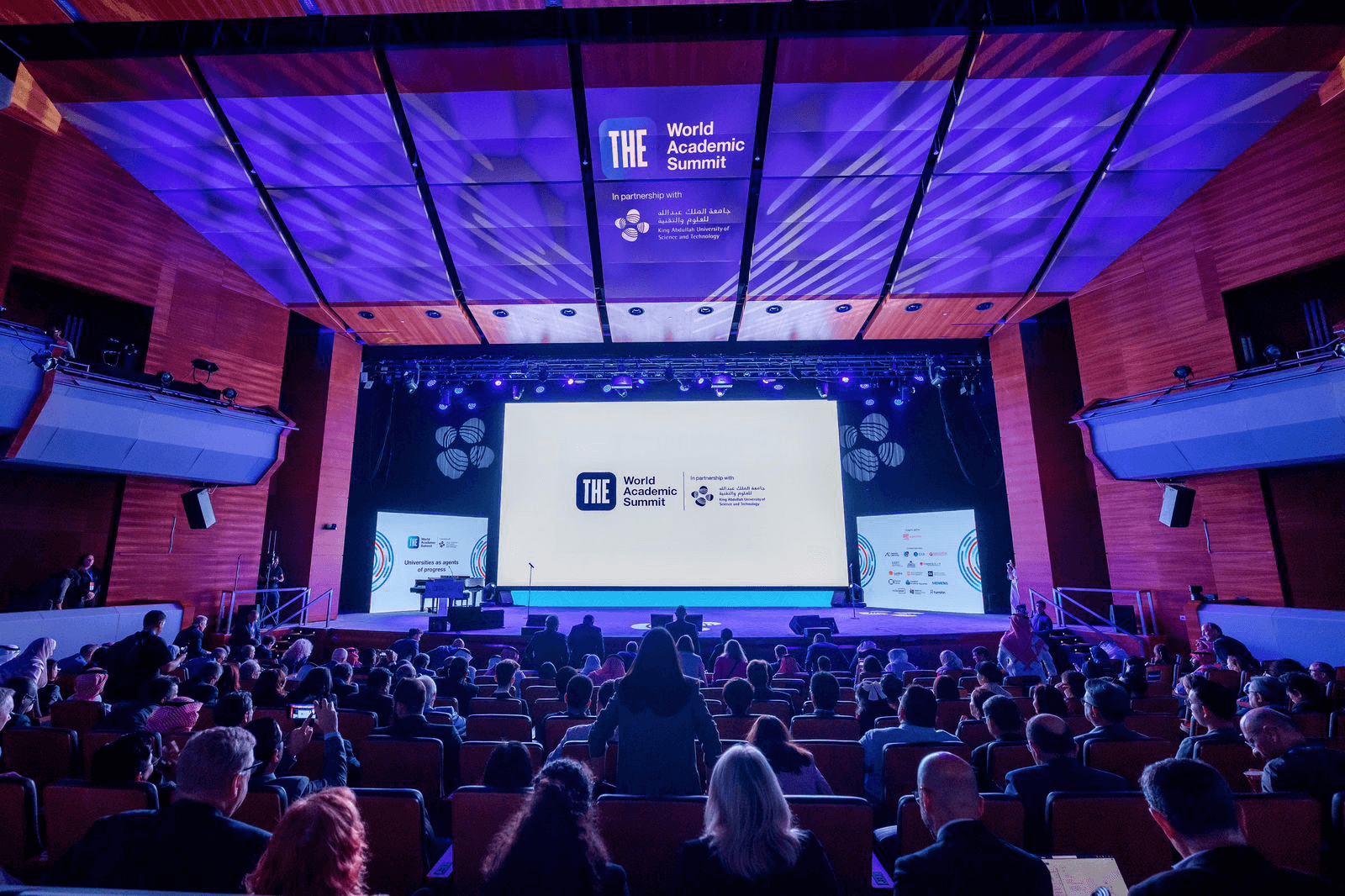
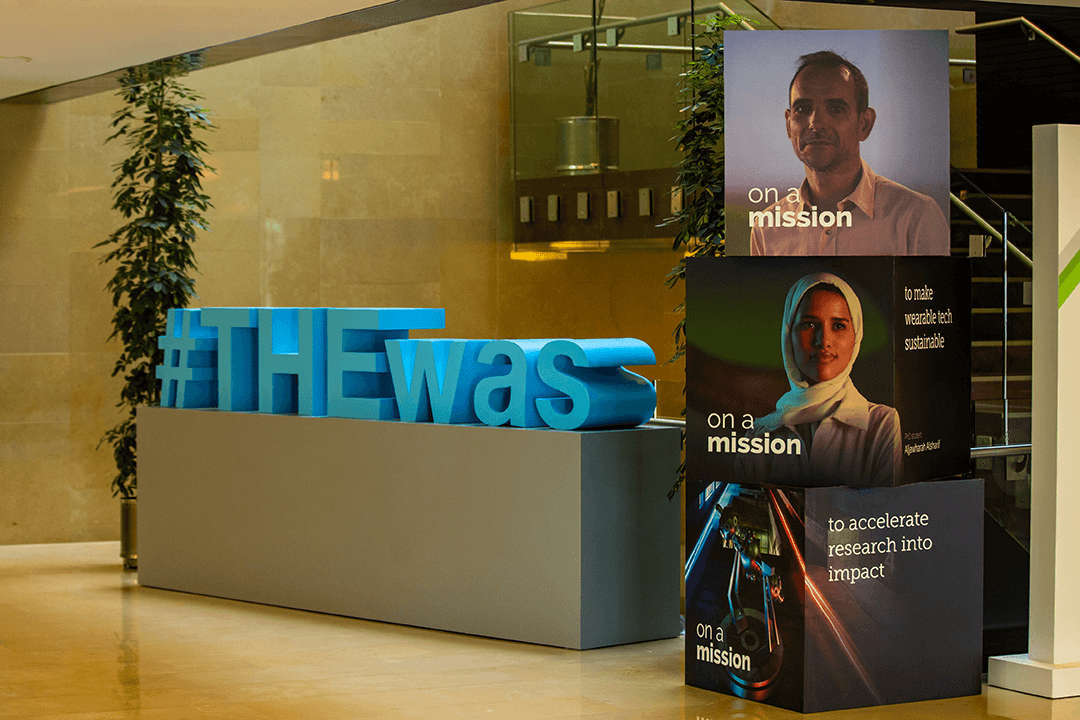
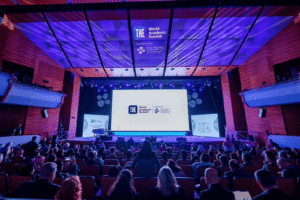
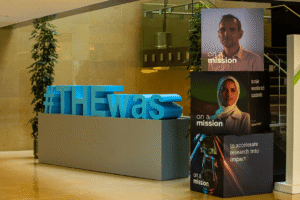
One of such events was the Times Higher Education World Academic Summit hosted on KAUST’s campus, bringing THE’s flagship gathering to the Middle East for the first time. Under the theme Universities as Agents of Progress, the Summit brought together more than 800 university leaders, policymakers, industry representatives and academics from 65 countries to examine how higher education can contribute to challenges spanning sustainability, innovation and a rapidly changing world.
Hosting the Summit positioned KAUST not only as a participant in international higher-education dialogue, but as a convening space where institutions from different regions could compare experience, establish new connections and consider how research universities can contribute more effectively to societal priorities. This exchange of institutional approaches is particularly relevant to the SDGs, where solutions often depend on learning across disciplines, sectors and national contexts.
KAUST also contributed directly to the 2025 Higher Education Sustainability Initiative (HESI) Global Forum, a special event of the United Nations High-level Political Forum on Sustainable Development. The Forum focused on how universities can advance scientific, inclusive and equitable solutions for the 2030 Agenda. KAUST was featured in a session showcasing innovative higher-education initiatives related to SDGs 3, 5, 8, 14 and 17, alongside institutions from other regions. The discussion examined not only what individual initiatives had achieved, but how their models could be scaled or replicated elsewhere.
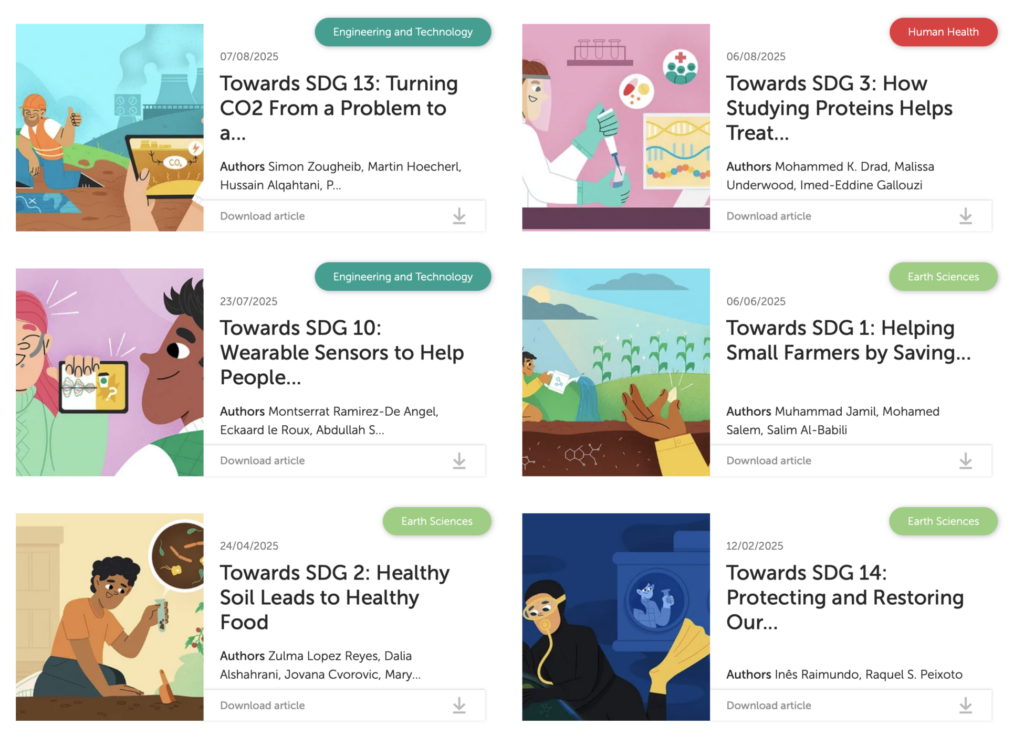
That same principle of making sustainability knowledge transferable is reflected in the SDG Collection developed by KAUST with the United Nations Development Programme in Saudi Arabia and Frontiers for Young Minds. Eight new articles were published during 2025, addressing SDGs 1, 2, 3, 9, 10, 13, 14 and 17. Written for, and reviewed by children, the Collection translates sustainability research into accessible learning in both English and Arabic, broadening access across Saudi Arabia and the wider region. The initiative was also one of nine projects showcased at HESI’s 2025 Networking Forum, giving its collaborative model visibility within the international higher-education sustainability community.
Alongside making knowledge accessible, developing shared approaches to assessing sustainability understanding can help institutions identify learning gaps and strengthen sustainability education. As a Change Leader under The Assessment of Sustainability Knowledge (TASK), by Sulitest, KAUST contributed to the improvement of TASK by piloting its the new “Study Guides” feature, linked to an internationally used framework for assessing sustainability knowledge.
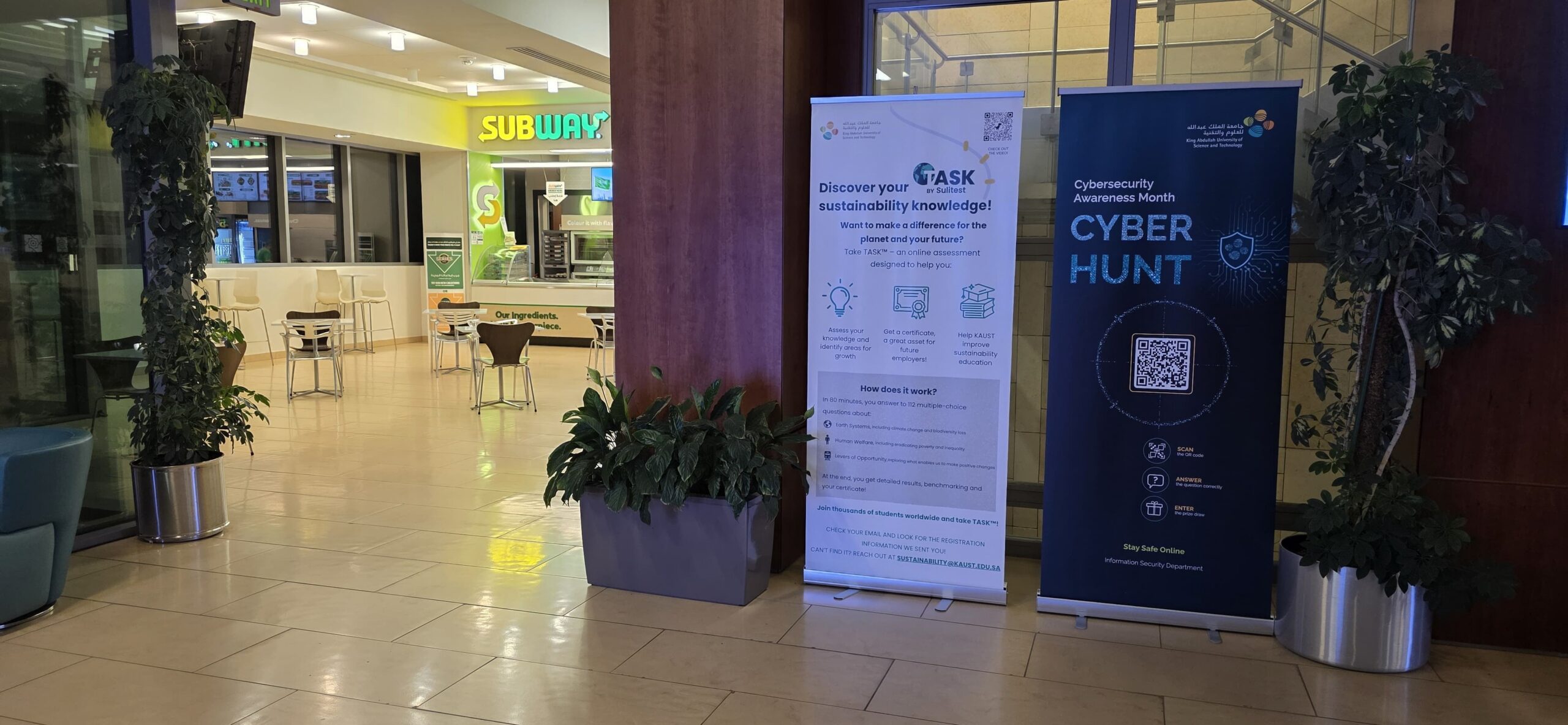
Such tools help institutions move beyond general commitments by creating more consistent ways to understand the sustainability competencies of learners and identify where further education is needed.