Throughout 2025, KAUST advanced efforts to protect marine biodiversity through research, field conservation and collaboration with government institutions, industry and international partners. From investigating how marine organisms respond to environmental stress to advancing coral restoration and pollution prevention technologies, the University worked to connect scientific understanding with practical conservation efforts.
These contributions come at a time when marine ecosystems face growing pressures such as climate change, pollution and habitat degradation, threatening biodiversity and the ecological systems on which communities and economies depend. Addressing these challenges requires not only a deeper understanding of how marine environments are changing, but also effective restoration, monitoring and technologies that can help reduce environmental damage.
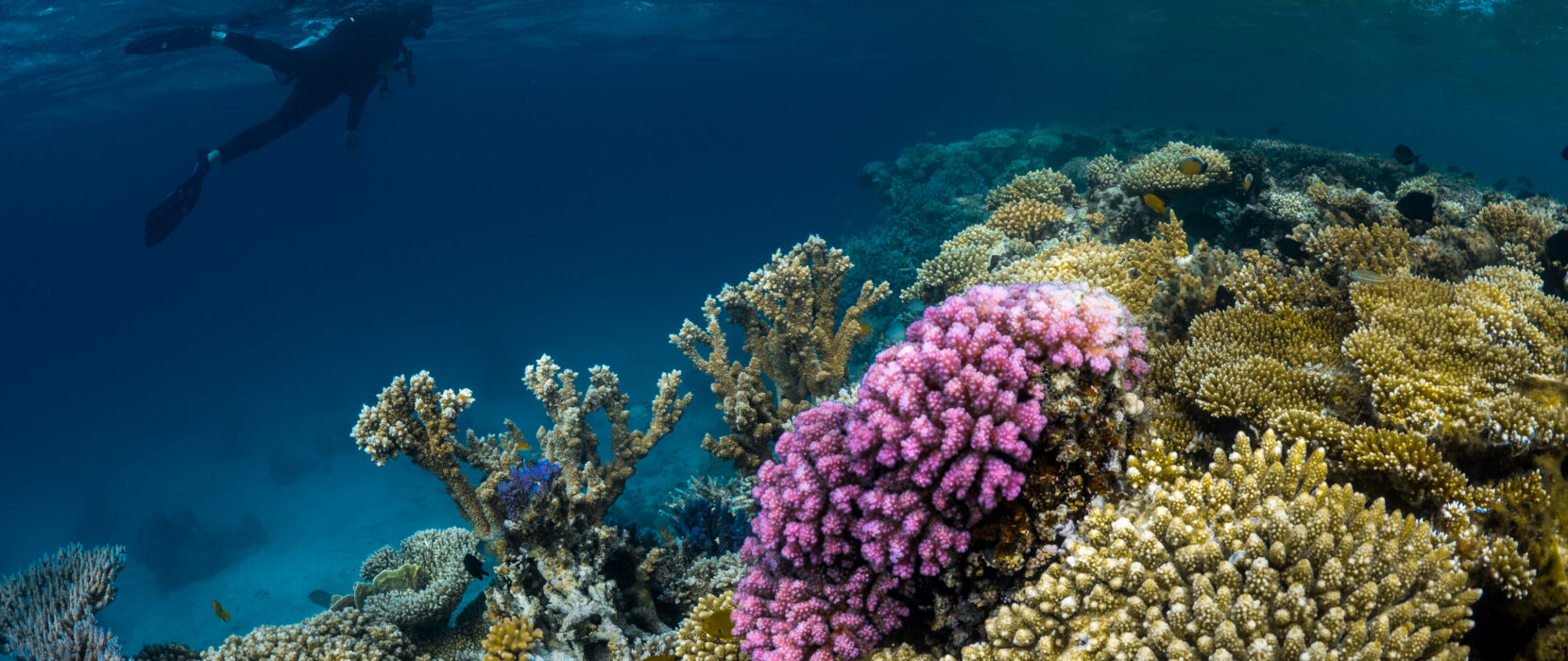
Changing ocean conditions, including declining oxygen levels and increasing salinity, pose growing threats to marine biodiversity. KAUST investigated these pressures in a study on oxygen-depleted environments in the Red Sea, which identified two deep depressions beneath a coral reef system where marine organisms survived despite extremely low oxygen levels. Complementary research on coral responses to increased salinity examined salinity stress in two Red Sea coral species, while a study on coral reef–ocean interactions highlighted the importance of ocean currents and nutrient availability in predicting reef resilience. Together, these studies provide insights into how marine ecosystems respond to changing environmental conditions and can inform conservation and restoration planning.
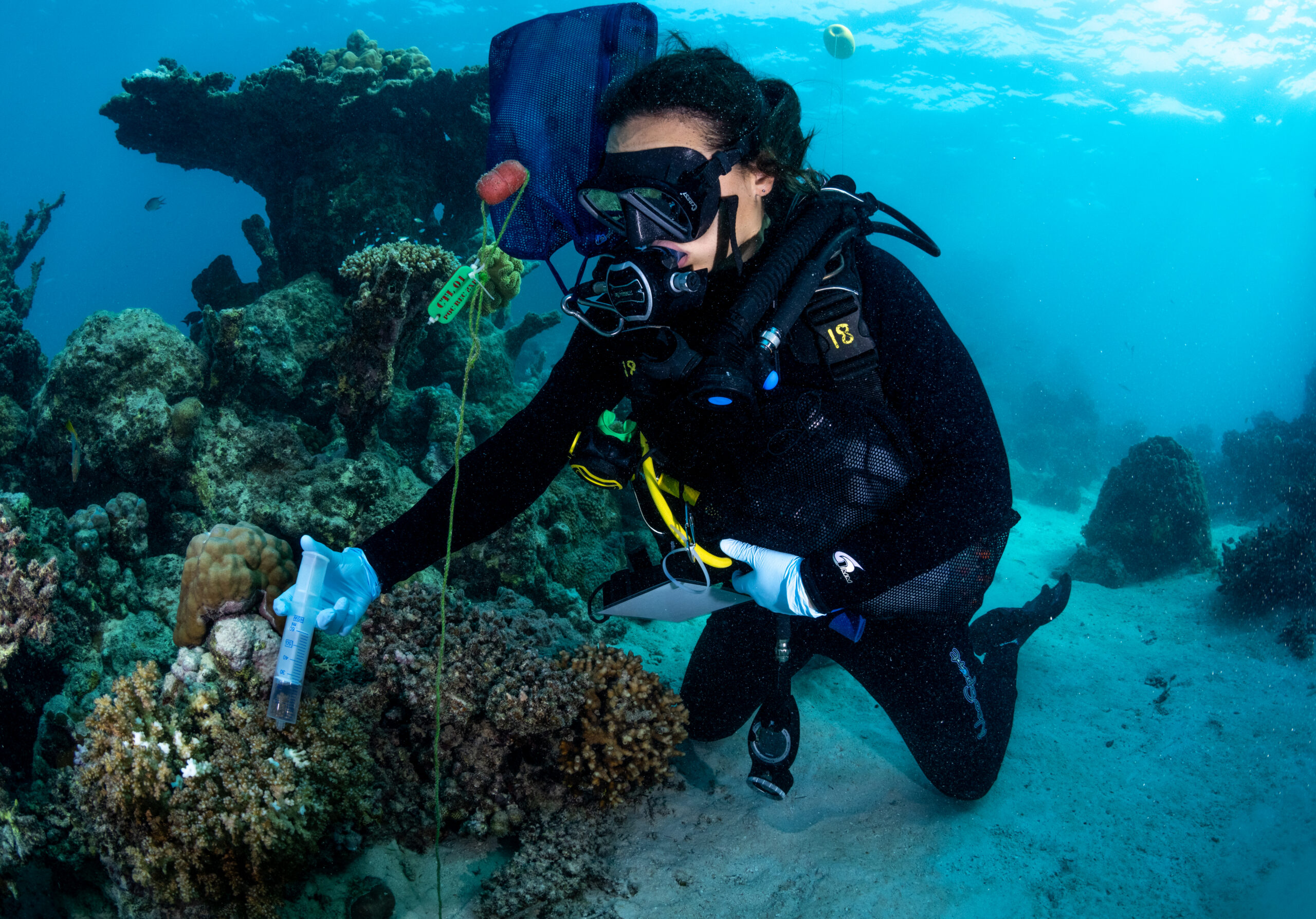
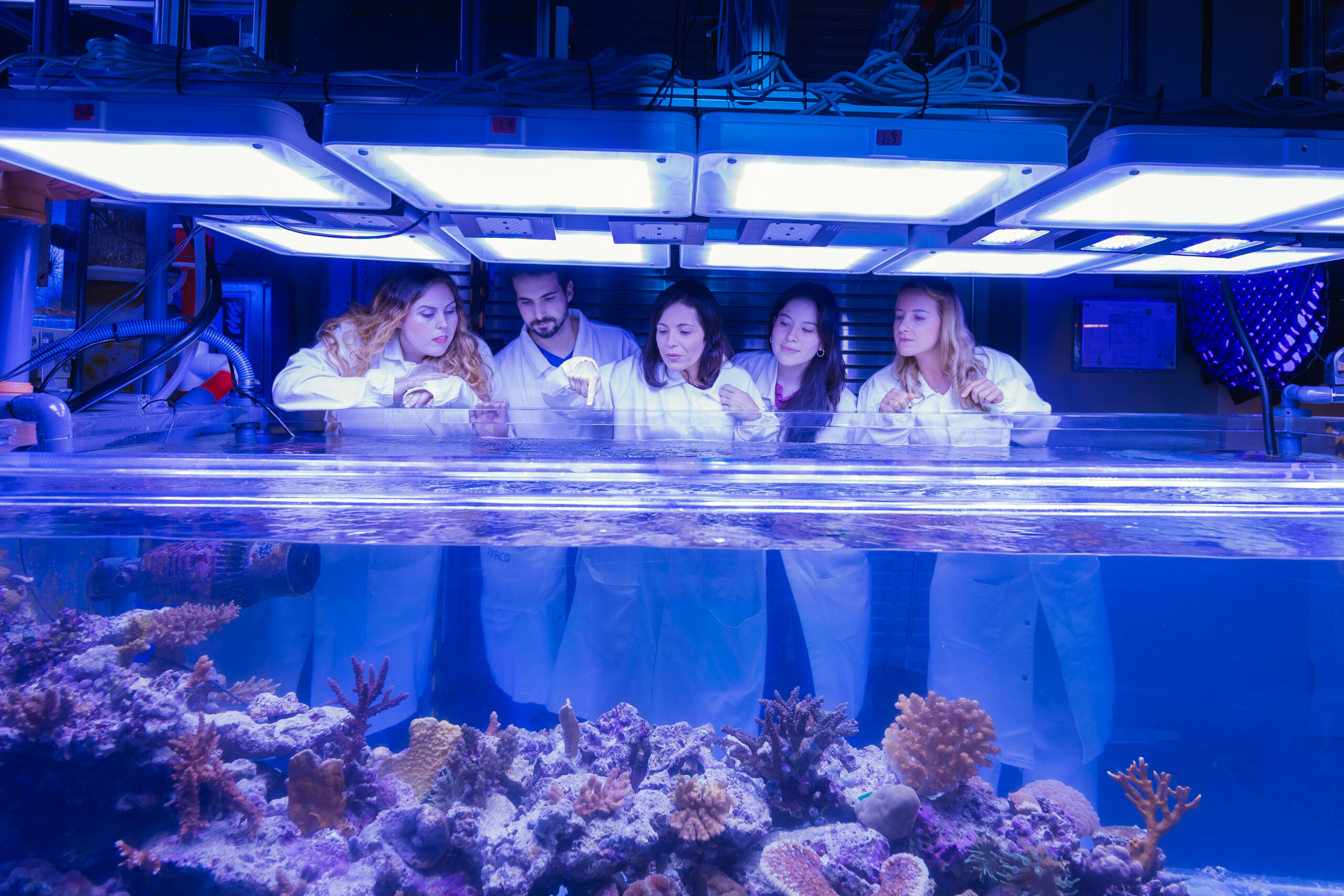
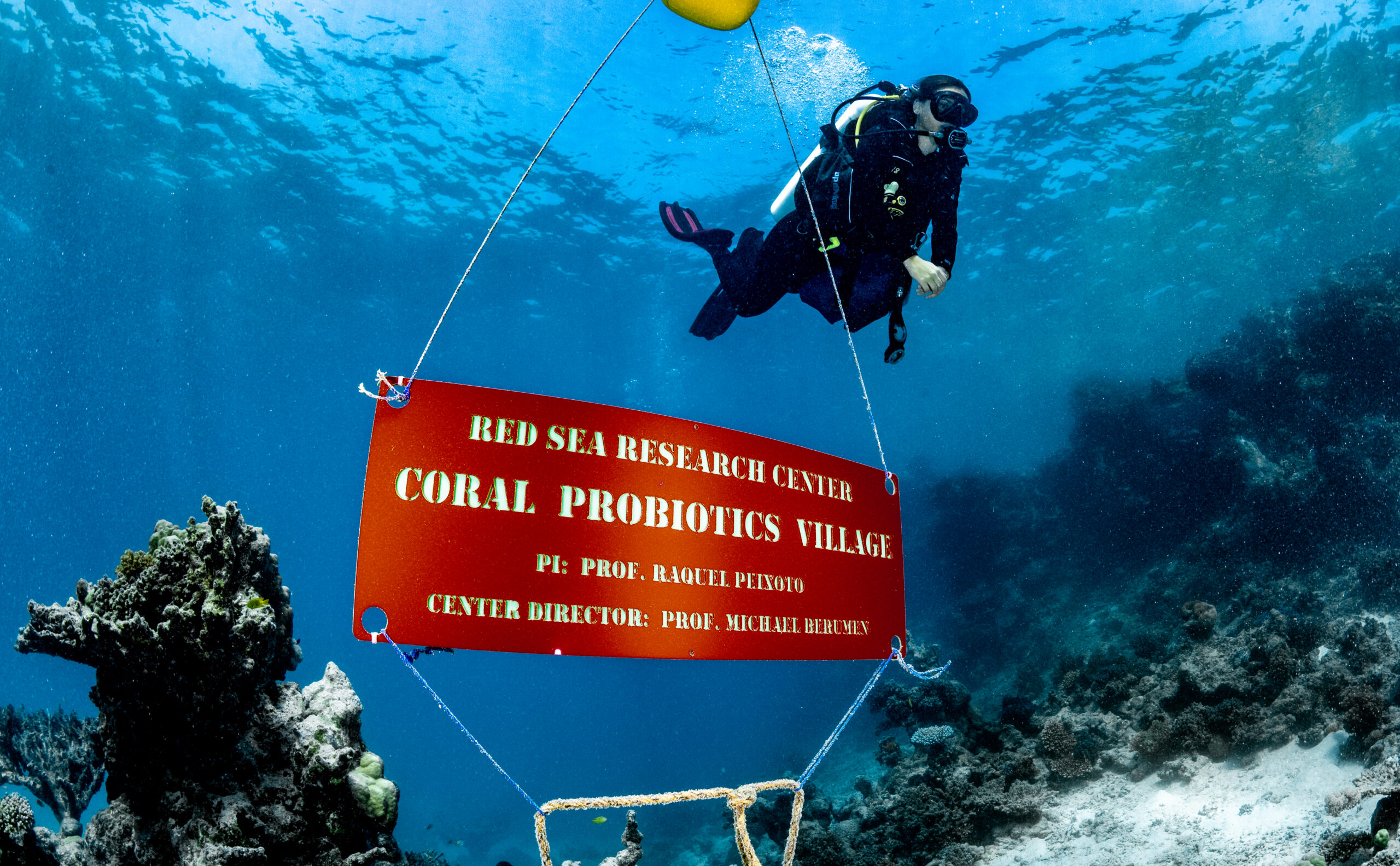
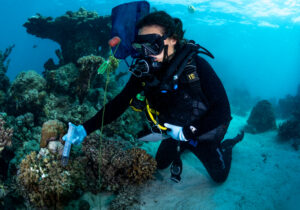
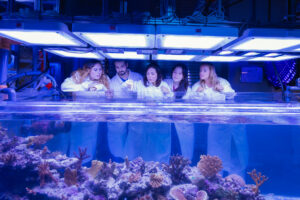
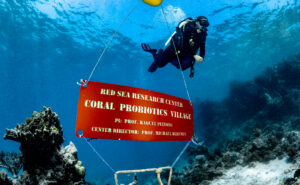
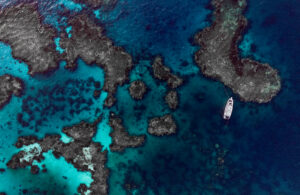
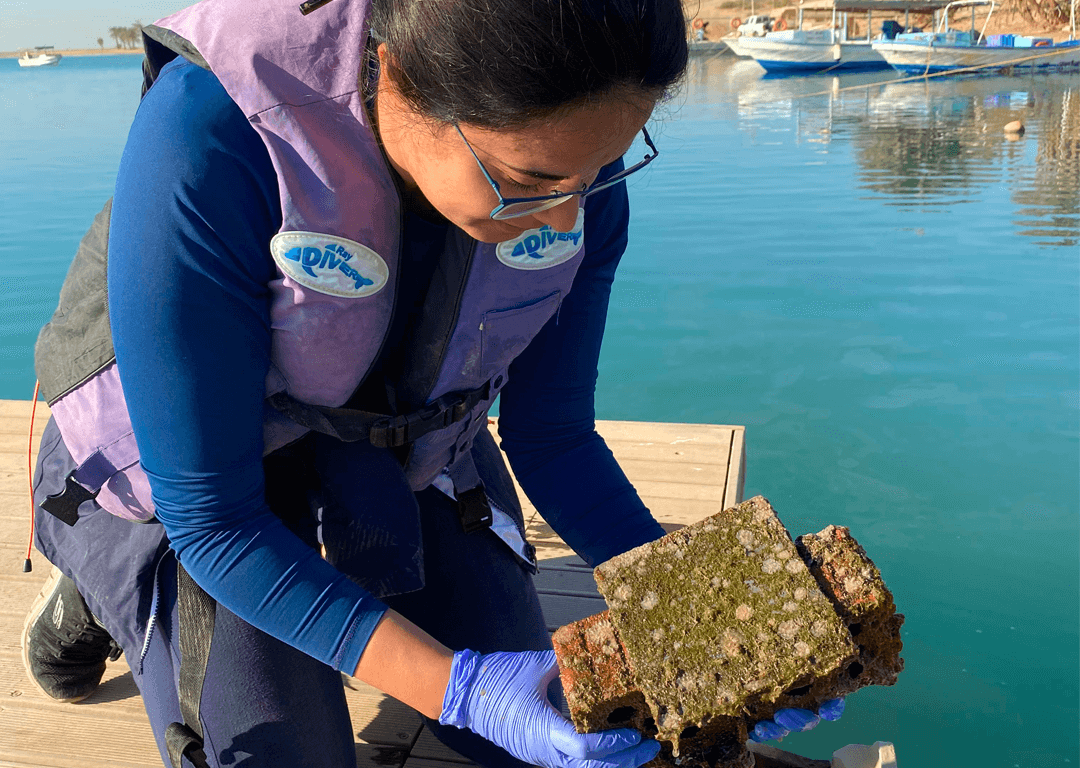
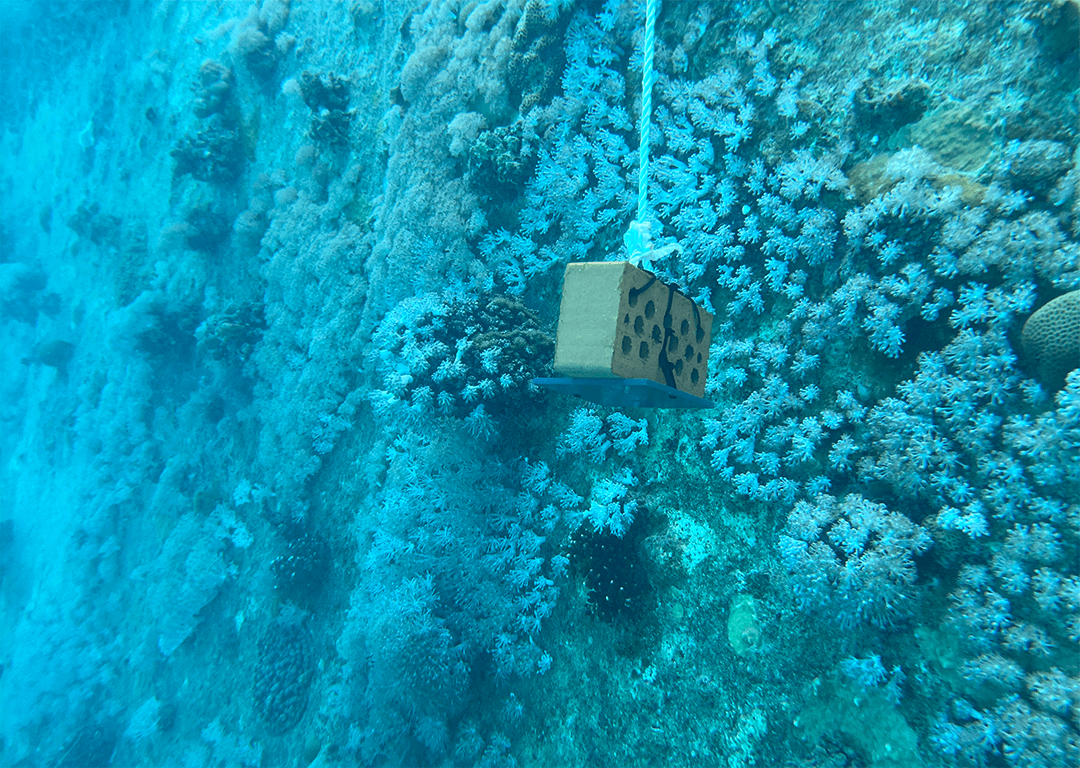
To address the vulnerability of coral reefs, KAUST combined experimental research with large-scale restoration efforts. The Coral Probiotics Village is the first underwater laboratory where scientists test microbial-based approaches, and different technologies to deliver them, to improve coral resilience. These research efforts complement the University’s Coral Restoration Initiative (KCRI) – the world’s largest coral restoration project, where advanced techniques are being used to help restore corals globally. Throughout 2025, KCRI continued advancing its restoration capabilities, including plans for a new land-based facility in NEOM, designed as a regional innovation hub for coral reef restoration and conservation. The planned facility includes nearly 400 tanks capable of growing more than 350,000 corals at any one time, alongside research laboratories, a dedicated coral reproduction facility and marine operations infrastructure. These developments complement KCRI’s work on the eCoral™ digital twin and predictive modeling in collaboration with digiLab, supporting more informed restoration planning. Together, these efforts contribute to KCRI’s long-term goal of restoring approximately 100 hectares of reef habitat near Shushah Island in collaboration with NEOM
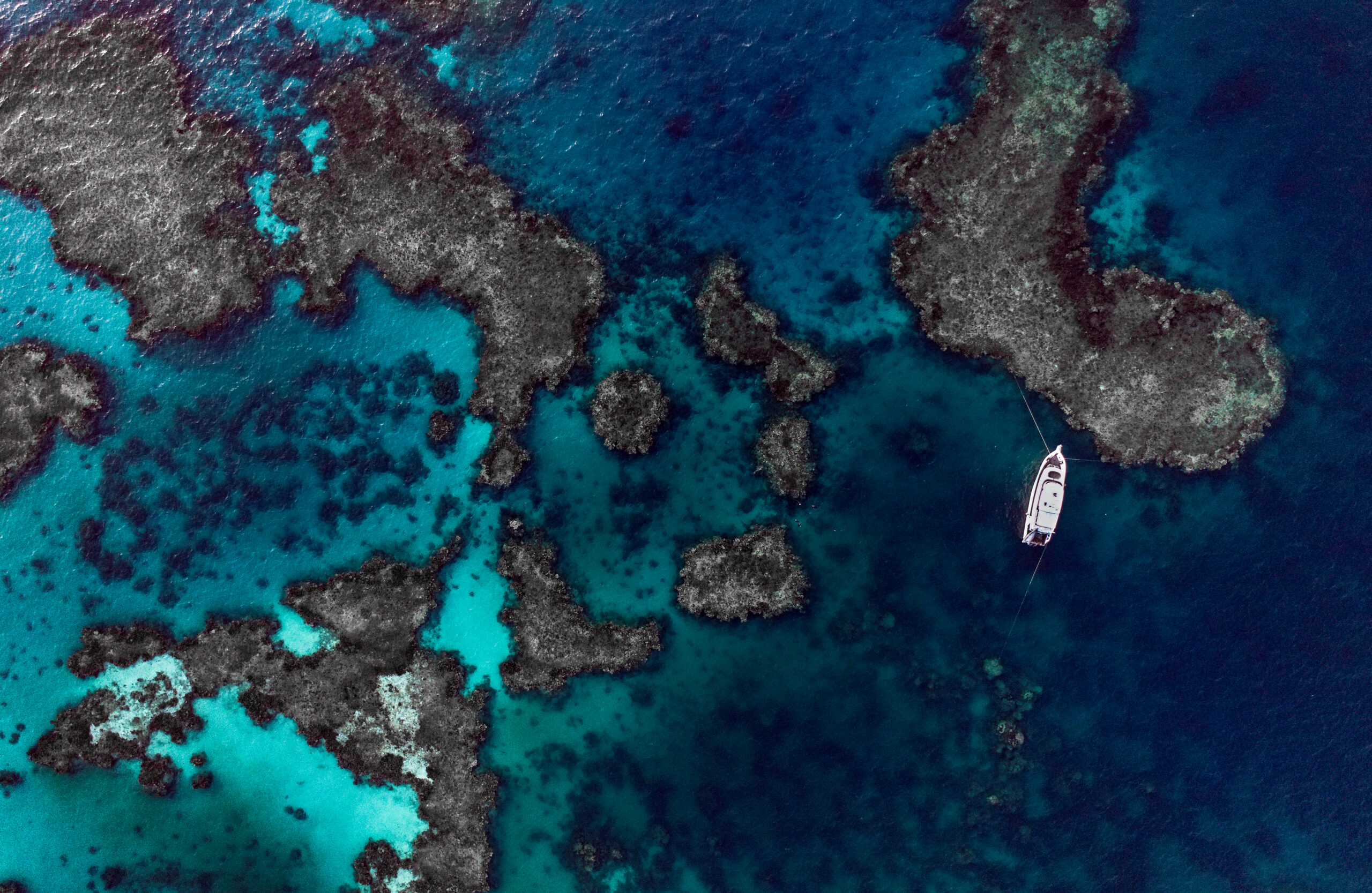
Beyond coral reefs, effective conservation requires understanding the diversity of marine species and identifying emerging ecological threats, including invasive species that can disrupt native ecosystems. Through a collaboration with the National Center for Wildlife (NCW), KAUST conducted marine biodiversity surveys across 34 coastal and marine sites in the Red Sea and Arabian Gulf, collecting more than 10,000 biological samples. The surveys helped document species diversity and identify potentially invasive species, strengthening the scientific evidence available for biodiversity monitoring, ecological risk assessments and future conservation measures.
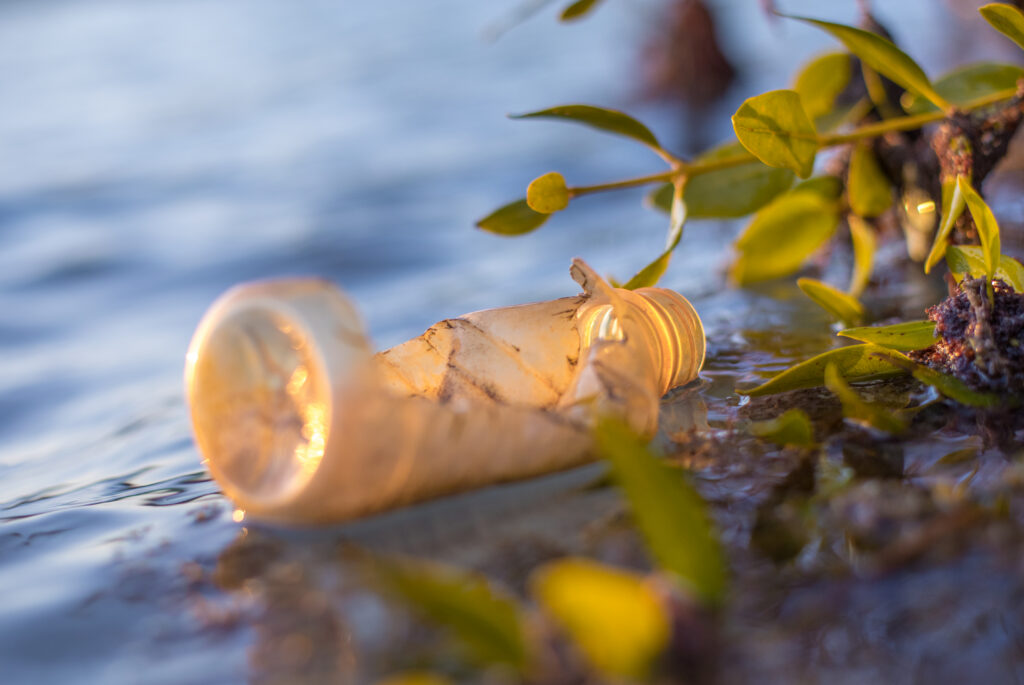
Marine pollution presents another significant challenge, particularly as plastic waste breaks down into microplastics that can accumulate in aquatic environments and affect marine life. KAUST investigated complementary approaches to understanding and reducing plastic contamination. Research on plastic-degrading bacteria across global oceans identified microorganisms carrying enzymes capable of breaking down PET plastics, offering insights into microbial biodegradation. Meanwhile, researchers working with Universiti Malaysia Terengganu developed magnetic nanoparticles capable of capturing microplastics from water, using machine learning to optimize removal conditions. These studies offer potential applications for improving water treatment and reducing plastic pollution in aquatic environments.
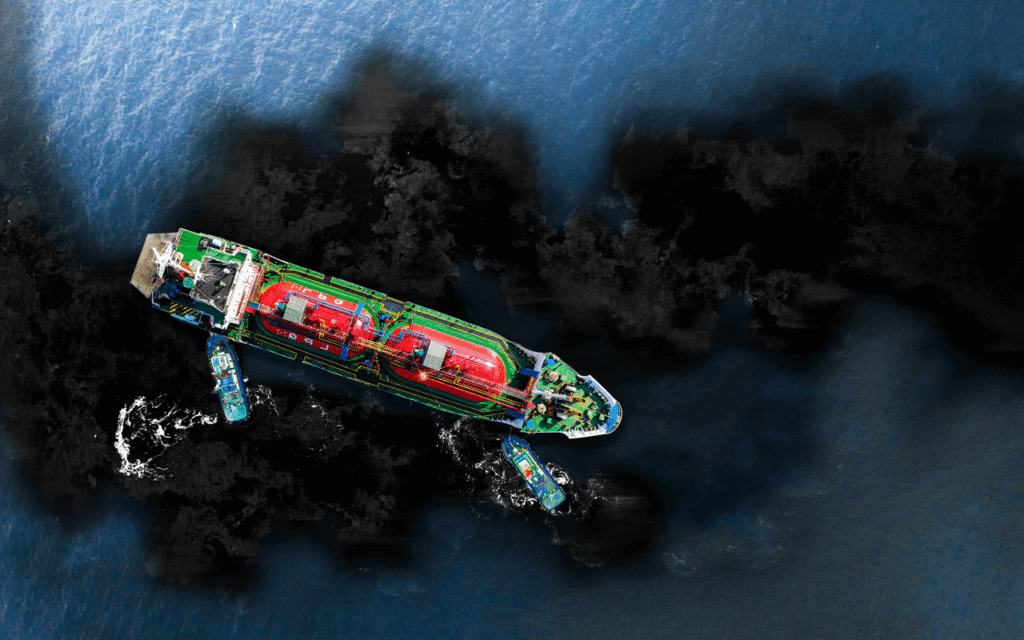
Due to the Red Sea’s strategic importance as a major shipping route for oil transportation, oil spills pose additional risks to marine ecosystems, making early detection and effective monitoring essential for minimizing environmental damage. Addressing limitations in available monitoring data, KAUST’s satellite Earth-observation company SARsatX developed synthetic datasets for AI-based oil-spill detection. By improving the training of detection systems where real-world observations are limited, such technologies can support earlier spill identification and more effective environmental response.
Together, these efforts reflect KAUST’s contribution to SDG 14: Life Below Water, connecting ecological research with restoration, biodiversity monitoring and pollution prevention. Through cross-sector partnerships and emerging technologies, the University is helping develop the scientific evidence and practical solutions needed to safeguard marine biodiversity and support healthier ocean ecosystems over the long term.