Saudi Arabia’s urban transformation is creating an unusual opportunity to shape cities for decades to come. Decisions about where and how cities grow influence far more than buildings and infrastructure. They affect how residents move, experience heat and public spaces, access affordable housing and services, and how efficiently cities use energy and resources. Under Saudi Vision 2030, these questions are increasingly linked to wider ambitions for quality of life, economic transformation and more sustainable urban development.
KAUST is contributing to this transition by bringing scientific evidence closer to the institutions making planning decisions. The University increasingly helps connecting research on climate, buildings and environmental performance with real planning processes, giving local and national decision-makers tools to evaluate choices before their long-term impacts are locked in.
Working with Cities and Planning Authorities
In 2025, KAUST strengthened its contribution to this transformation by bringing science and evidence closer to some of the institutions shaping the Kingdom’s urban future by working with government authorities, planners and other stakeholders to support urban planning and development across the Kingdom.
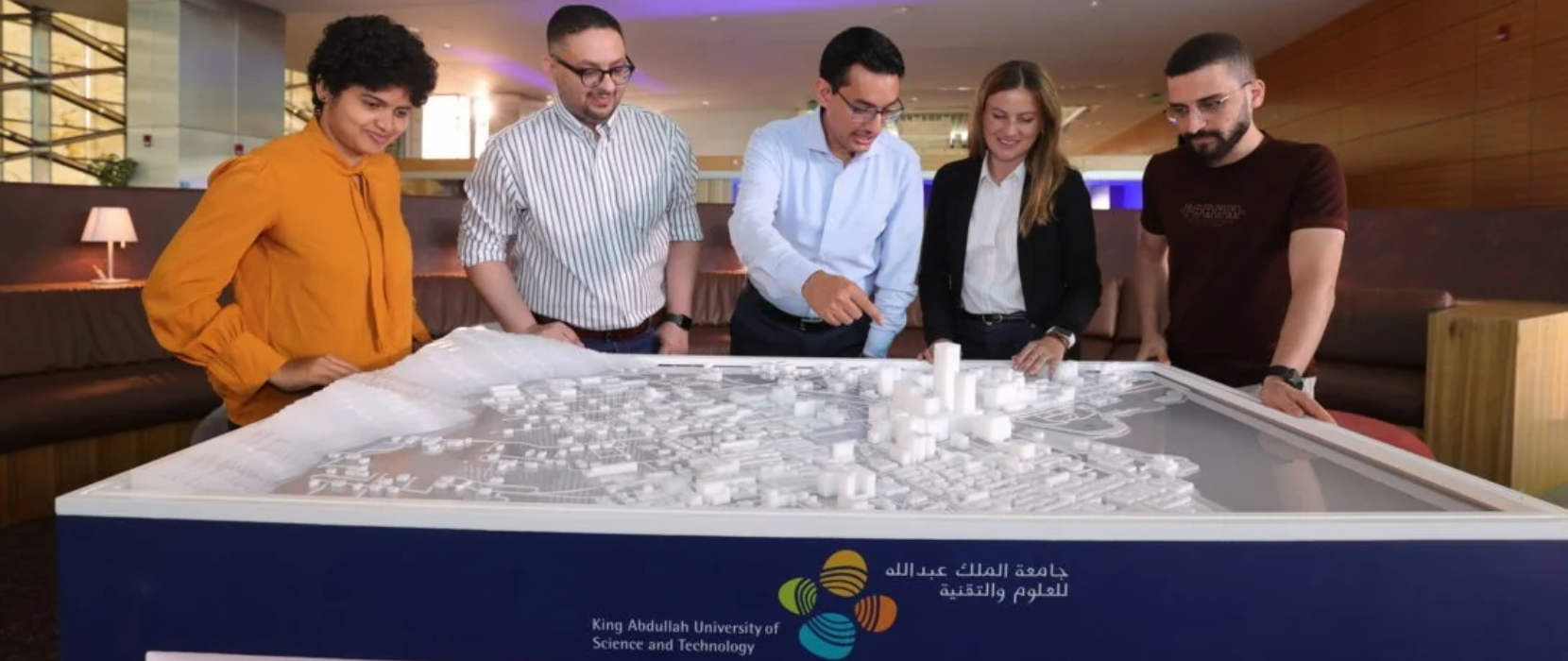
This is particularly visible in the work done with the Royal Commission for Riyadh City (RCRC), the authority responsible for the strategic development of the capital. Throughout 2025, KAUST contributed technical expertise to the Riyadh Plan, a long-term strategic planning process looking at the future development of the city. Through an intensive six-day planning workshop followed by technical input and review, KAUST contributed to the wider planning process on issues including sustainability, climate resilience, urban systems, infrastructure, thermal comfort and walkability. This placed scientific expertise directly within a major city-planning framework, rather than within a single strategy or project.
The collaboration extends beyond the plan itself. KAUST and RCRC have worked across six connected research projects, including urban heat and green infrastructure, climate-resilient public spaces, air quality, residential building emissions, flood risk and climate modeling. Work also began on a greenhouse gas emissions inventory and interactive modeling platform for the City and Province of Riyadh. Rather than treating these as isolated environmental questions, the collaboration provides RCRC with evidence that can inform how different planning choices interact as the city grows.
This type of working with local authorities to address planning issues is important because urban decisions rarely have single outcomes. Choices about residential development, transportation, public space and infrastructure influence affordability, accessibility, energy demand and exposure to environmental risks at the same time. Bringing these considerations into longer-term planning creates opportunities to address priorities including access to affordable housing within a wider view of how neighborhoods and services function for residents.
A similar science-to-decision relationship has been developing with the Makkah Province Development Authority. In 2025, KAUST contributed technical expertise through the Authority’s Environmental Quality Committee and completed an assessment to identify air-pollution hotspots across the province. Providing this evidence directly to the Authority gives planners a clearer picture of environmental conditions that can be considered alongside development priorities.
Building the Evidence for Better Urban Decisions
Direct planning collaboration is supported by a wider effort to improve the information available to Saudi cities. The Saudi National Life Cycle Inventory, being developed at KAUST, is creating environmental data specific to the Kingdom on areas including materials, energy, water, waste and emissions. Such locally relevant data are essential for life-cycle assessment, allowing planners, developers and policymakers to compare the environmental consequences of products and development choices using Saudi-specific datasets rather than generic international ones.
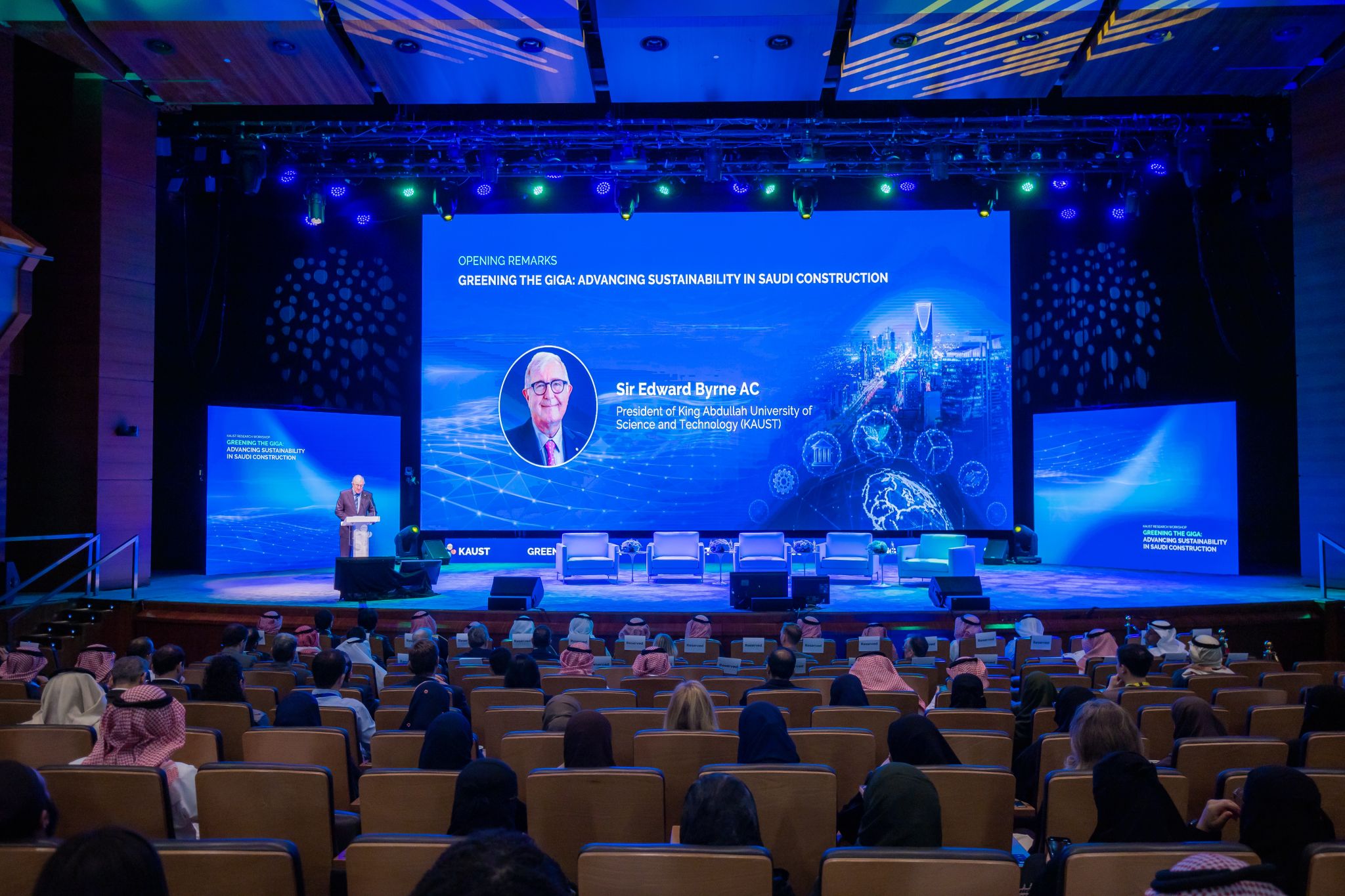
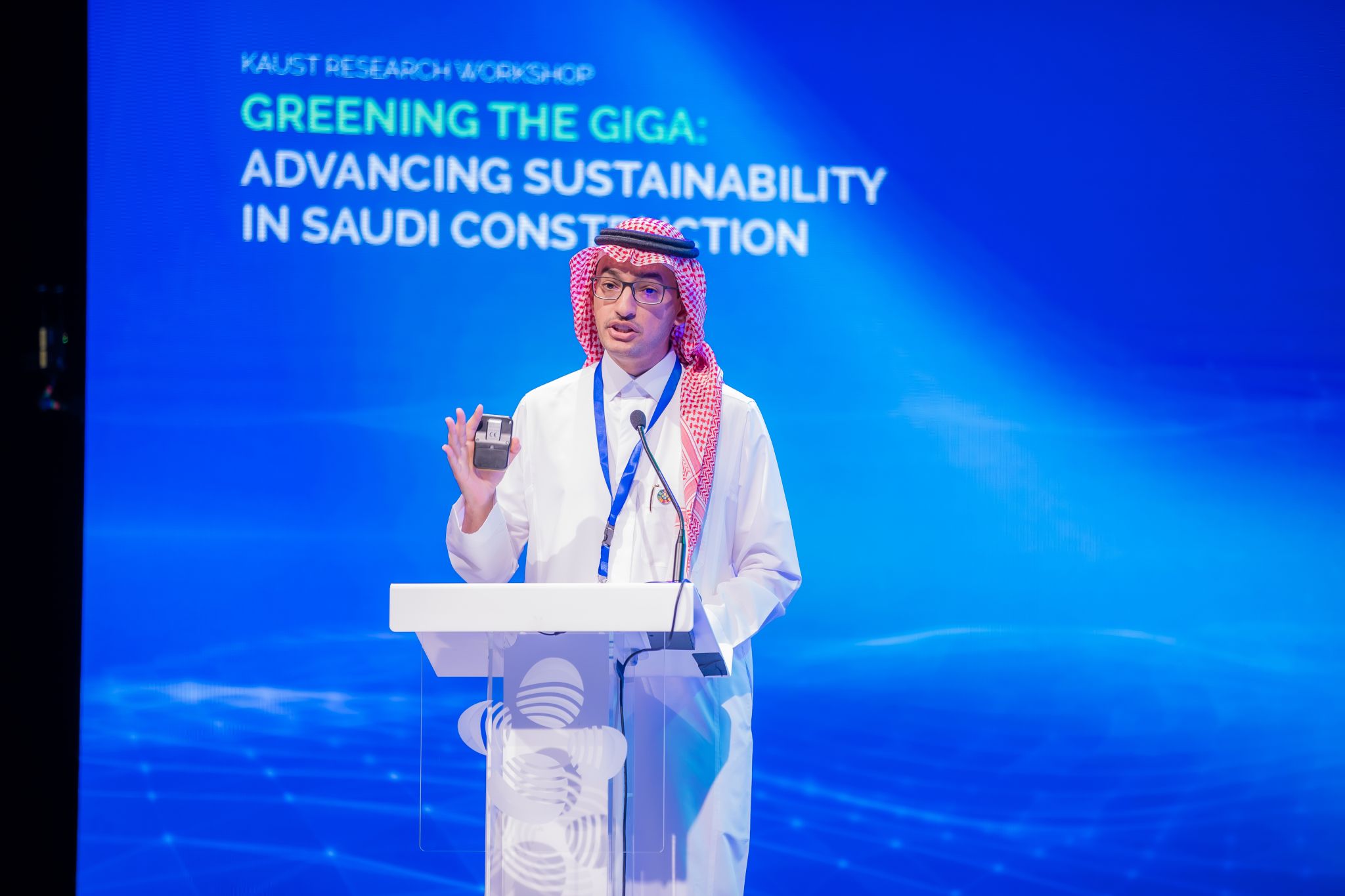
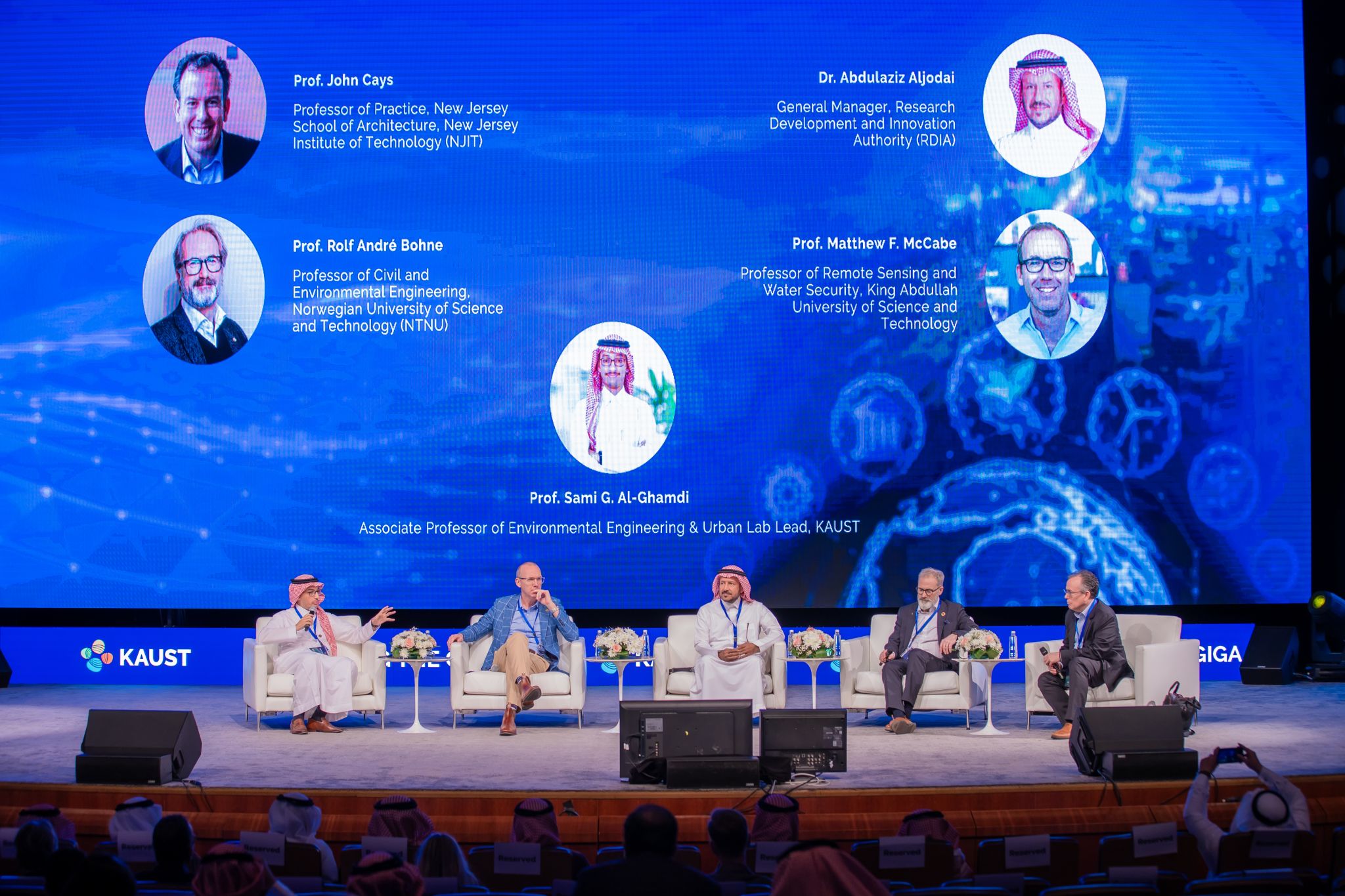
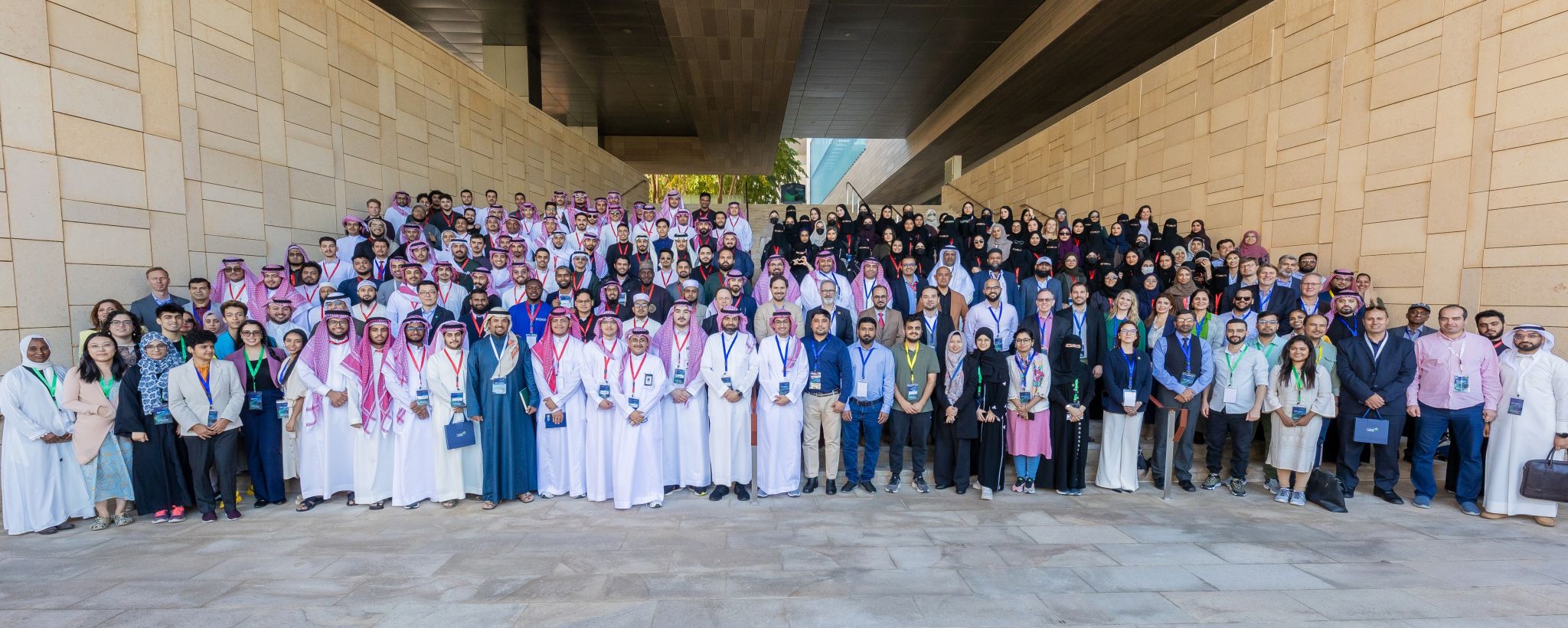
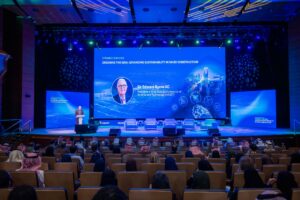
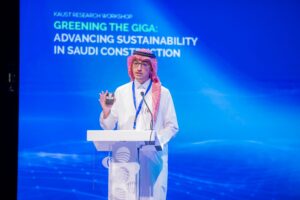
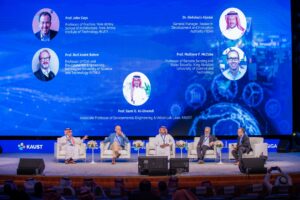
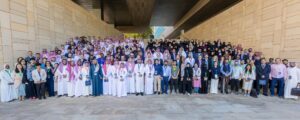
That work came into focus through the KAUST-hosted workshop “Greening the Giga: Advancing Sustainability in Saudi Construction”, which convened more than 500 representatives from government, giga-projects, industry and academia. Framed around the role of Saudi Arabia’s large-scale developments in Vision 2030 and aligned with national RDI priorities, the workshop examined how life-cycle thinking, carbon management and sustainable infrastructure can be incorporated into development, policy and regulation.
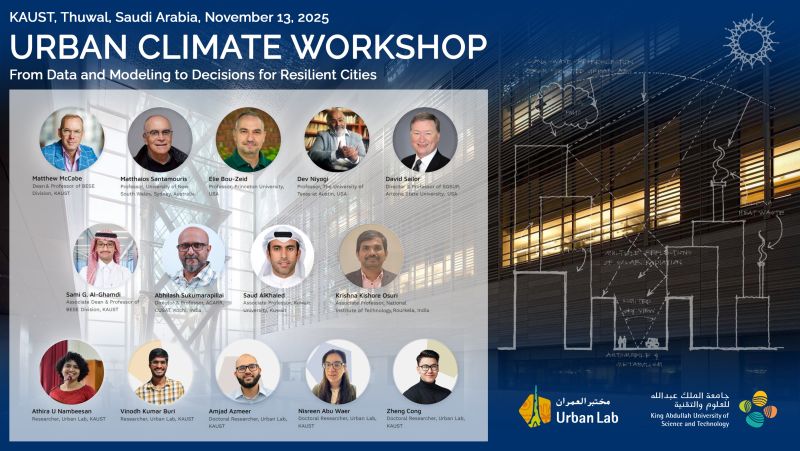
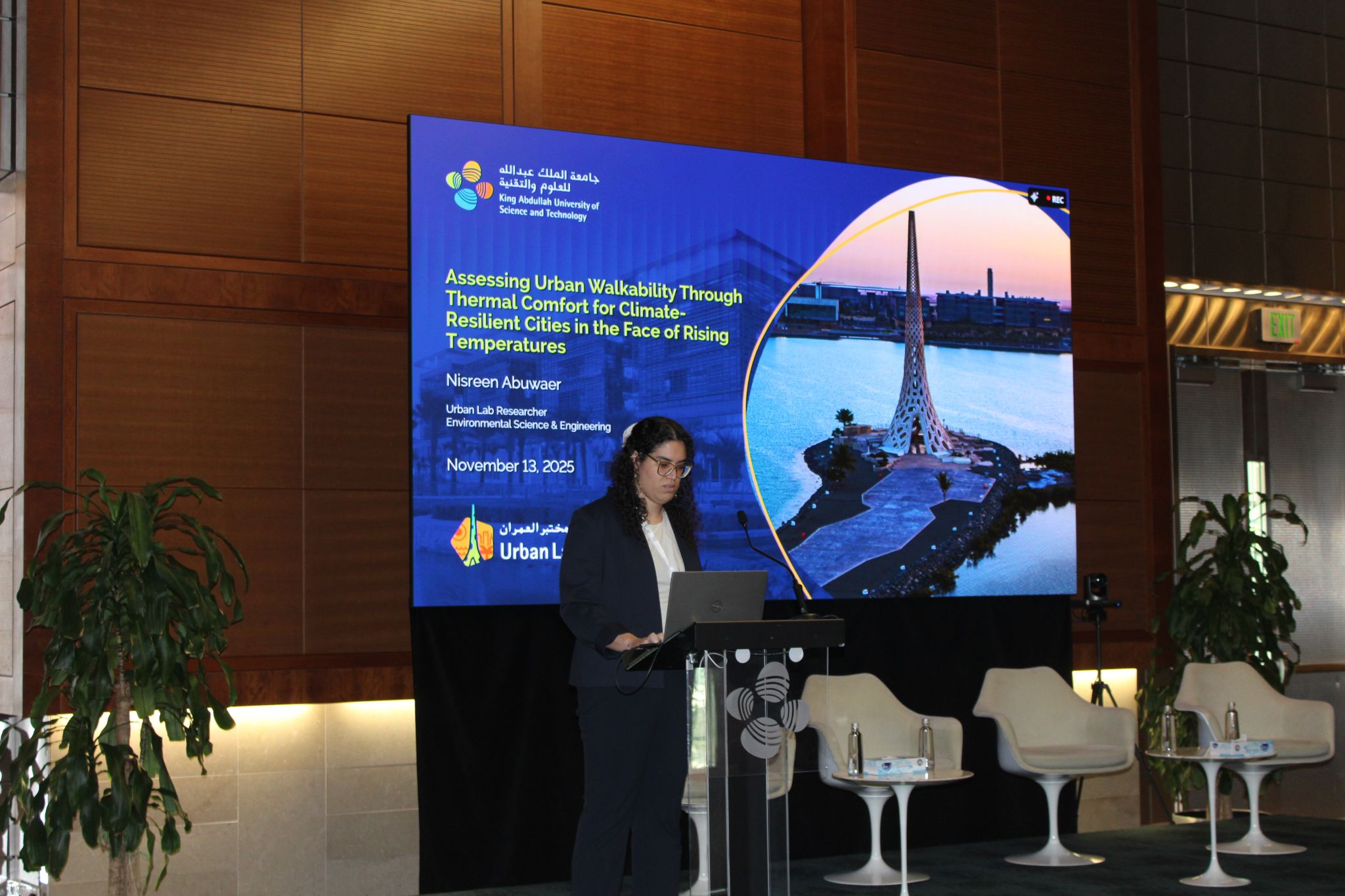
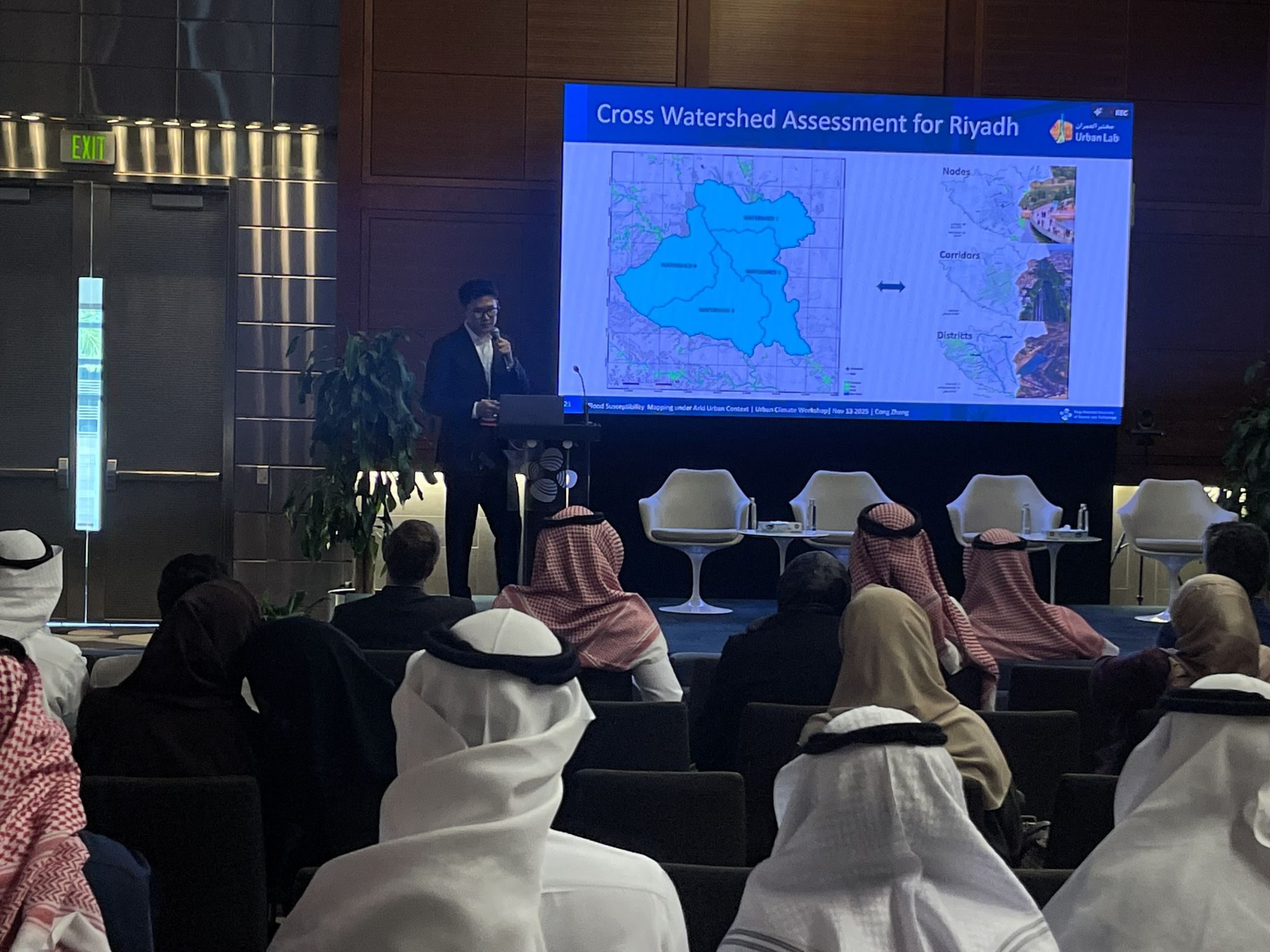
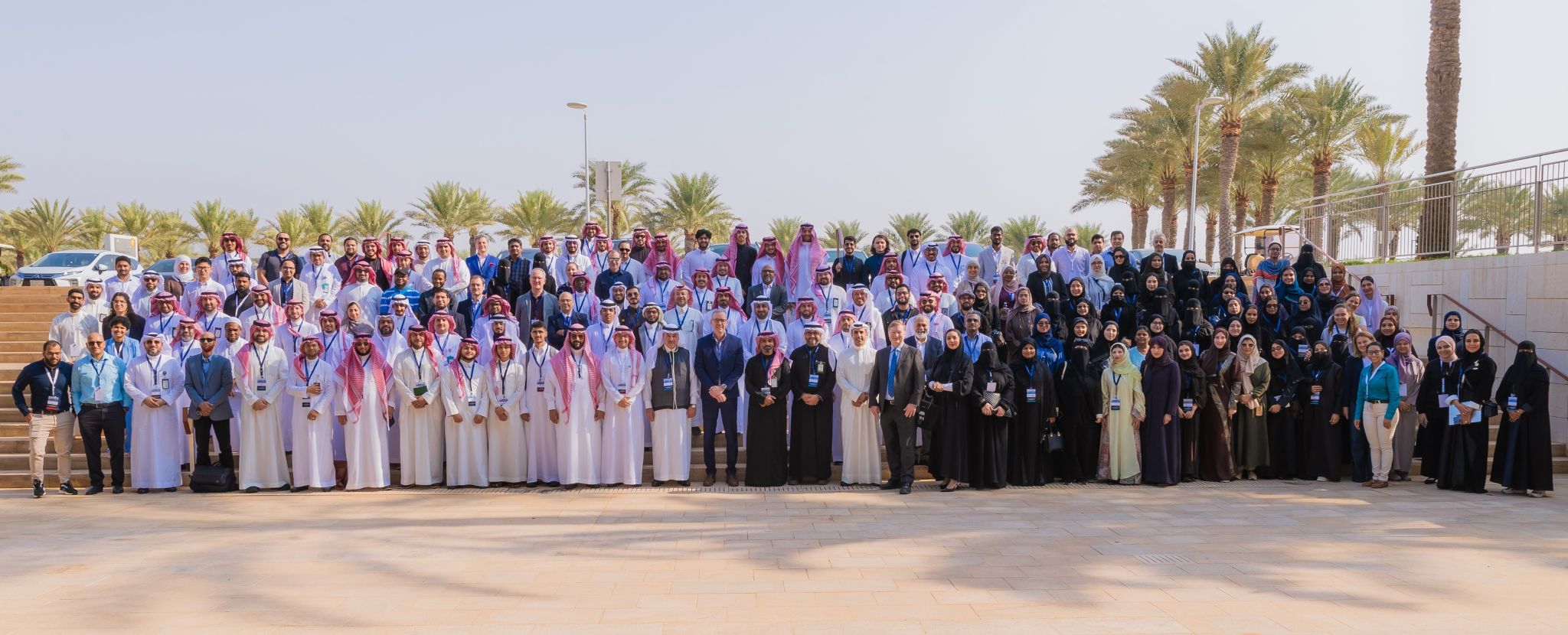
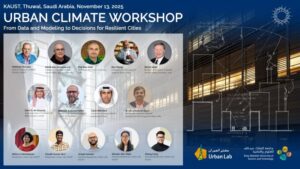
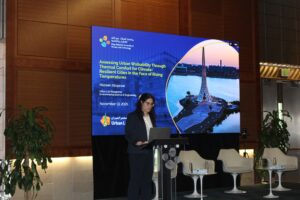
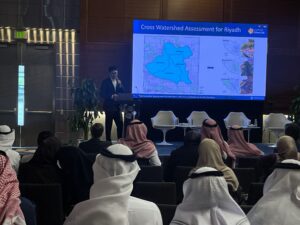
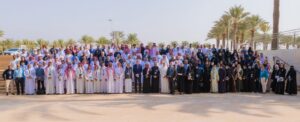
Later, the “Urban Climate: from data and modeling to decisions for resilient cities”, workshop brought international experts together with Saudi city officials to focus specifically on the information cities need to respond to climate extremes. Modeling, artificial intelligence and data-driven approaches were considered not as research ends in themselves, but as tools for decisions around heat, flooding, air quality and urban resilience. The workshop was designed to identify city needs and help establish a roadmap toward actionable climate strategies.
These examples represent some of the ways KAUST is connecting urban research with planning and development in Saudi Arabia. By working directly with local authorities while also building the data, analytical tools and forums that support better decisions, the University is helping move urban sustainability from scientific evidence into the processes that shape cities.