Reducing plastic waste requires both prevention at source and effective systems for recovering recyclable materials once they enter the waste stream. At KAUST, a series of operational improvements form part of the University’s broader plan to reduce plastic waste on campus, improve recycling and divert more material from landfill.
Since its establishment, KAUST has invested in developing its own waste management infrastructure at a time when recycling options in Saudi Arabia were limited. This included establishing on-site systems to separate and recover materials and helping reduce the amount of waste sent to landfill. Over the years, these efforts have supported more efficient waste management and resource recovery across campus. In 2025, KAUST reported the recycling of 494 tonnes of cardboard, 126 tonnes of ferrous metals, 102 tonnes of paper and 31 tonnes of plastics, while also diverting 542 tonnes of food waste. Building on this progress, the University upgraded its waste sorting facility in 2025 with an automated conveyor-belt system, making material separation more efficient and consistent, and improving the recovery of recyclable plastics and other materials before disposal.
This investment responds to one of the main challenges identified in KAUST’s waste system: contamination between recyclable and non-recyclable streams. Mixed recyclables have historically included significant levels of non-recyclable material, while recyclable items have also been found in general waste. Improving sorting infrastructure, staff awareness, and waste monitoring helps reduce missed recycling opportunities and strengthens plastic recovery.
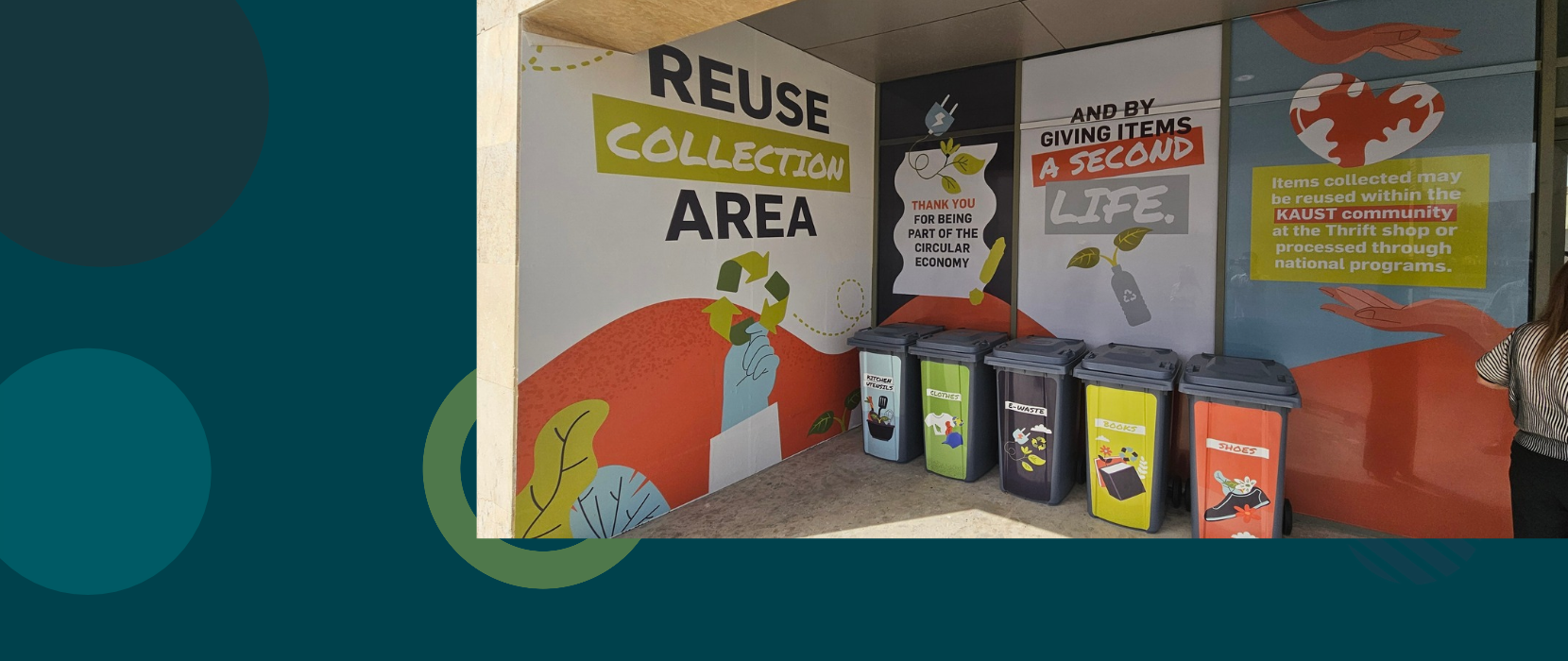
This facility upgrade is part of a wider set of actions to reduce plastic waste and improve resource recovery across campus. KAUST has also expanded composting, strengthened waste collection processes, introduced further staff training and oversight, and continued community awareness campaigns focused on responsible disposal and recycling. Improvements in customer service and the use of technology for planning and monitoring have also supported more consistent waste-management operations.
These actions started in 2025 and are part of KAUST’s three-year waste management roadmap, which guides efforts to increase landfill diversion, improve recycling performance and reduce waste generation. Community engagement initiatives, including waste-awareness activities and programmes encouraging more responsible disposal habits, complement the operational changes by addressing behavior at source.
By combining prevention, improved collection, better segregation, stronger recycling infrastructure and ongoing awareness, KAUST is moving from planning to action while strengthening its approach to reducing plastic waste on campus and keeping more recyclable material out of landfill.