Scientific research can help address some of the world’s most pressing sustainability challenges, but turning knowledge into meaningful action requires collaboration beyond academia. From informing public policy and strengthening institutional capacities to advancing international cooperation and social innovation, partnerships are essential to translating scientific expertise into solutions that respond to societal needs.
Throughout 2025, KAUST strengthened its engagement with government institutions, international organizations, industry, and civil society, connecting its research and innovation capabilities with shared development priorities. These efforts support the United Nations Sustainable Development Goals (SDGs), particularly SDG 17, Partnerships for the Goals, and Saudi Vision 2030.
A significant development was the establishment of The Policy Institute at KAUST, inaugurated in late 2025 to strengthen the connection between scientific research and public policymaking. Through policy analysis, capacity building, and engagement with decision-makers, the Institute aims to translate KAUST’s scientific expertise into evidence-based insights that can inform national and international decisions. Its establishment reflects a broader institutional commitment to bringing scientific knowledge closer to the processes shaping sustainable development.
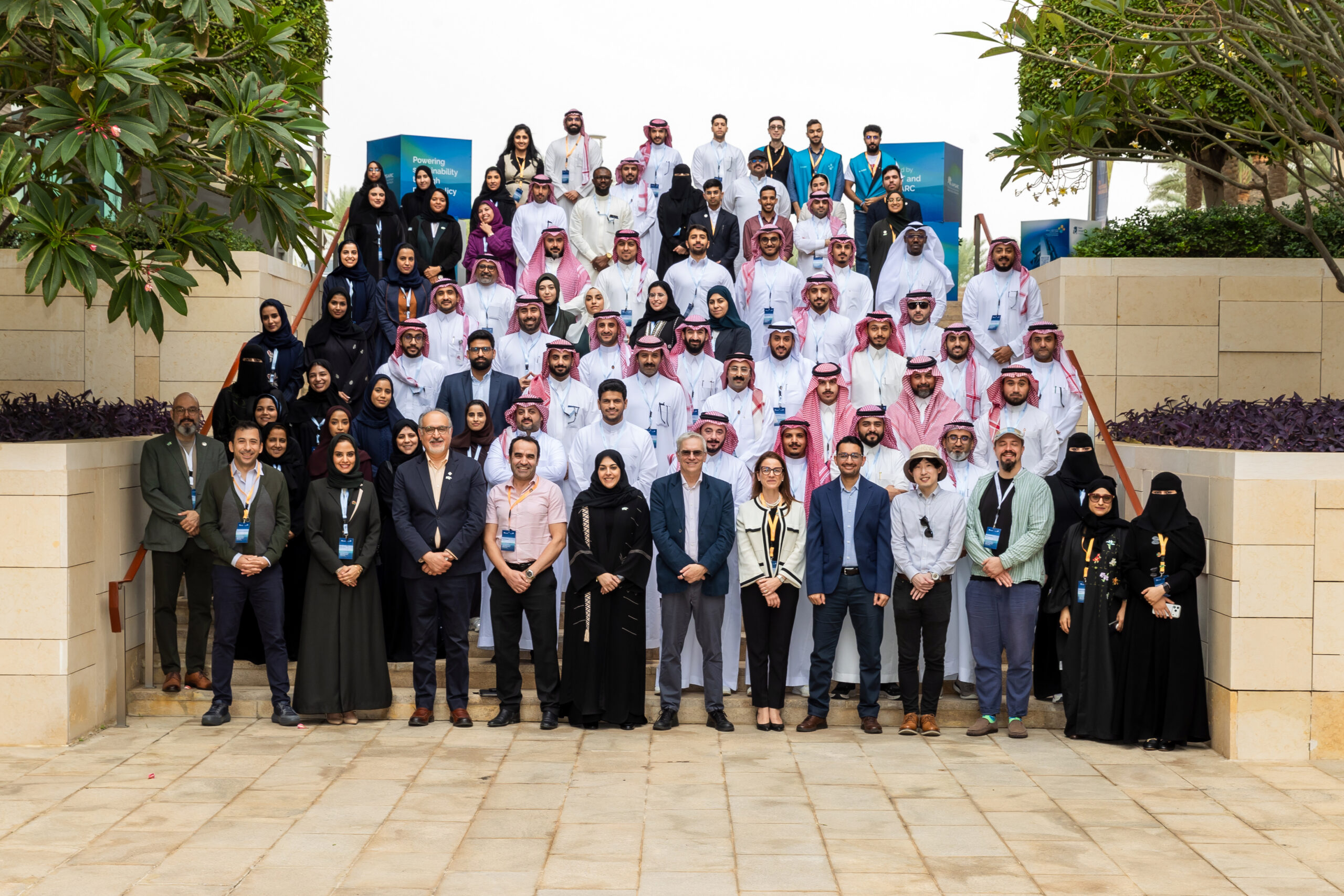
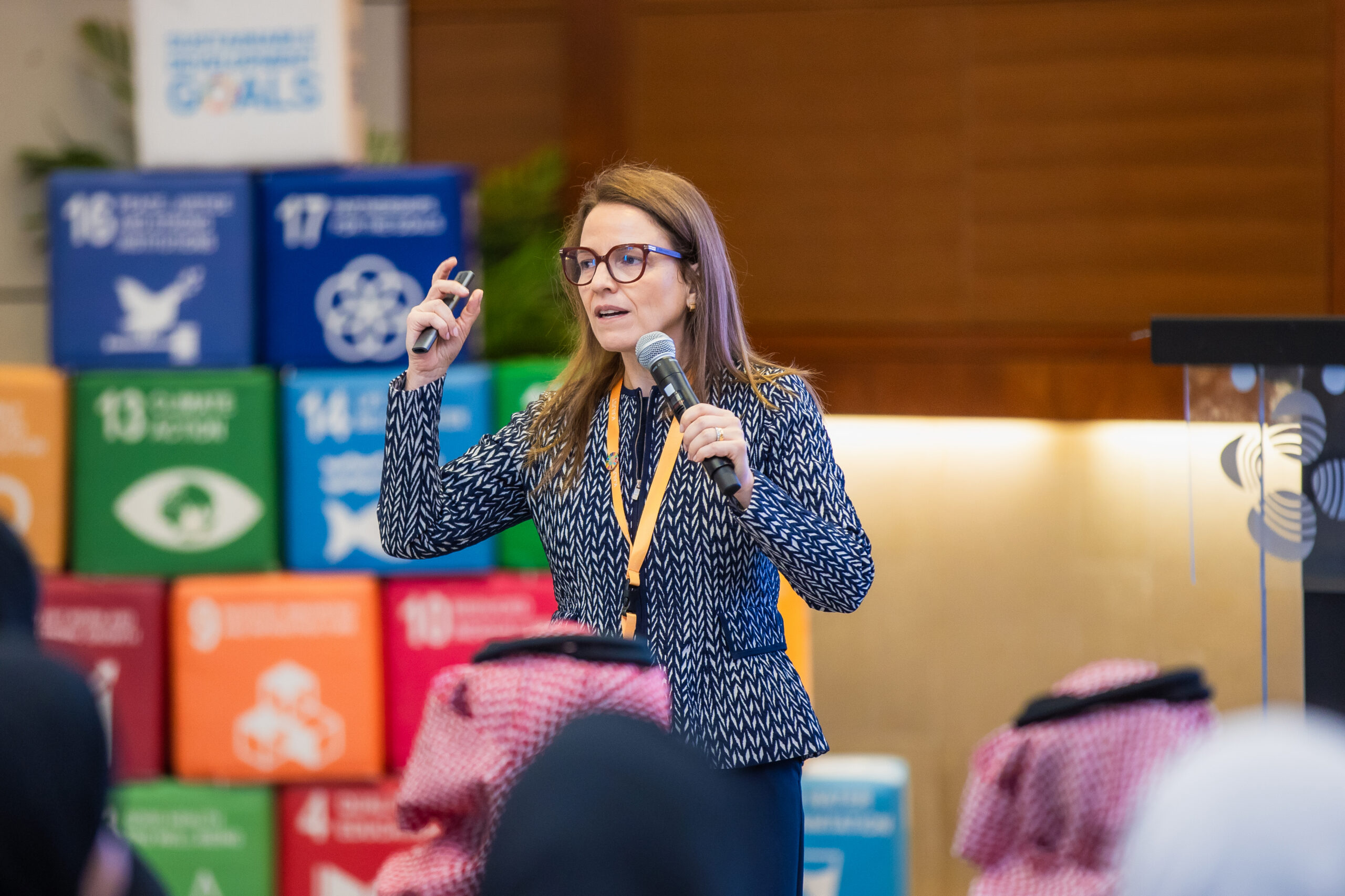
Building the capabilities needed for evidence-informed policymaking has been central to KAUST’s ongoing collaboration with the KAPSARC School of Public Policy (KSPP). Through its joint annual executive education program addressing sustainability from different perspectives, the institutions help professionals strengthen their understanding of complex development challenges and the tools available to address them. The 2025 edition, Sustainability and Public Policy in a Data-Driven World, explored how artificial intelligence, behavioral science, and systems thinking can inform public policy for sustainability. Combining expert discussions, practical workshops, and case studies, the three-day course supported the development of skills for designing integrated, evidence-based policy responses aligned with Saudi Vision 2030 and the SDGs.
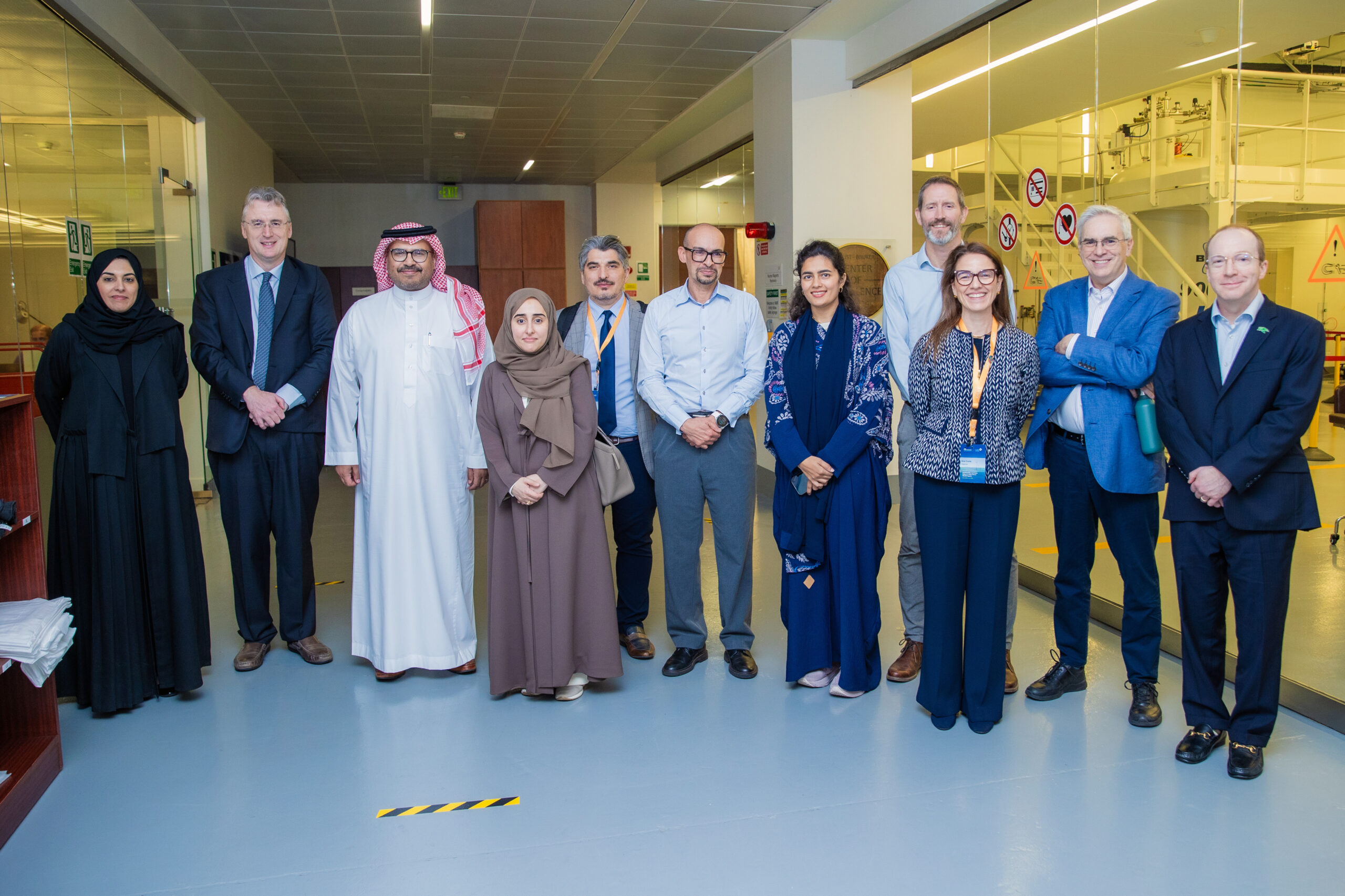
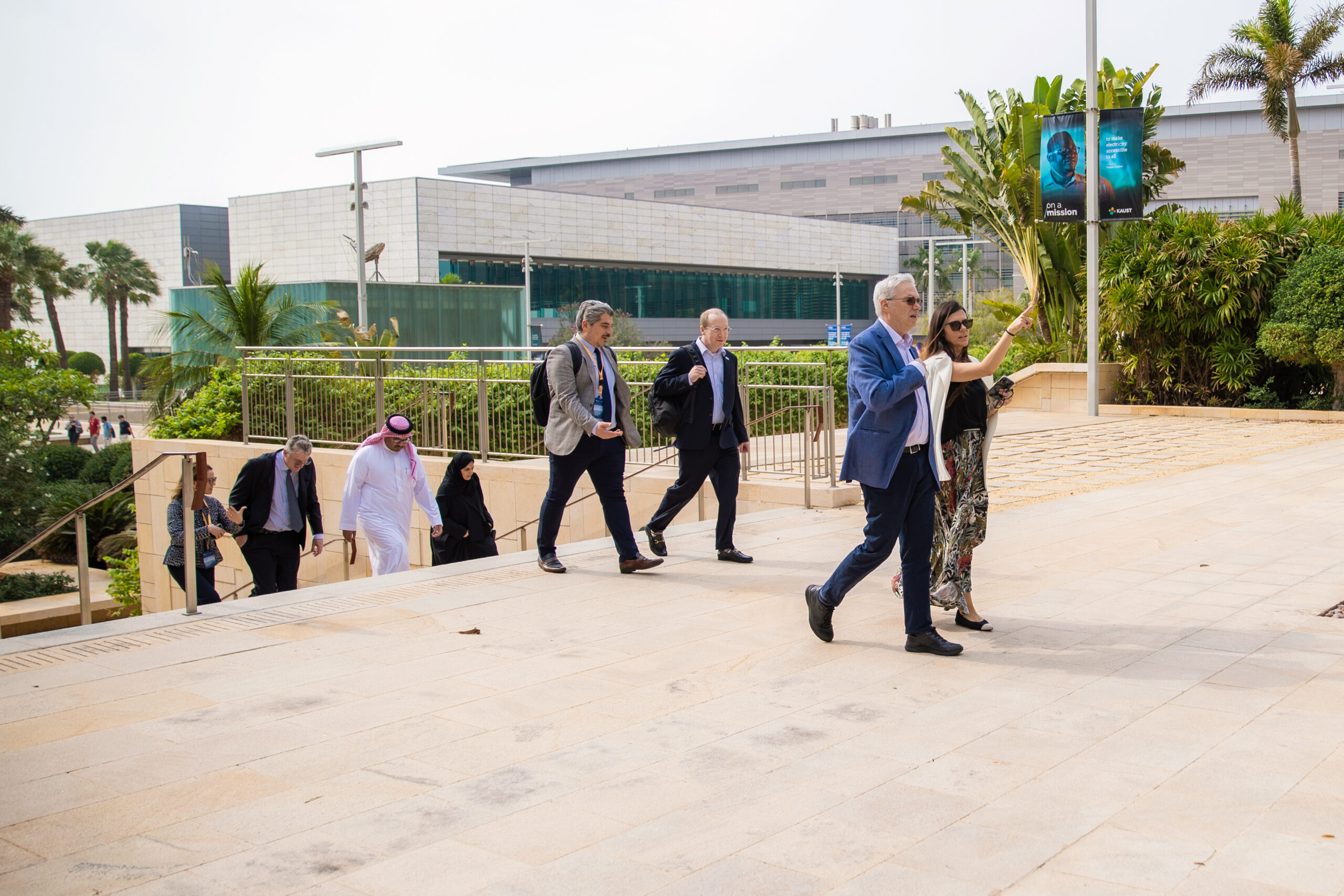
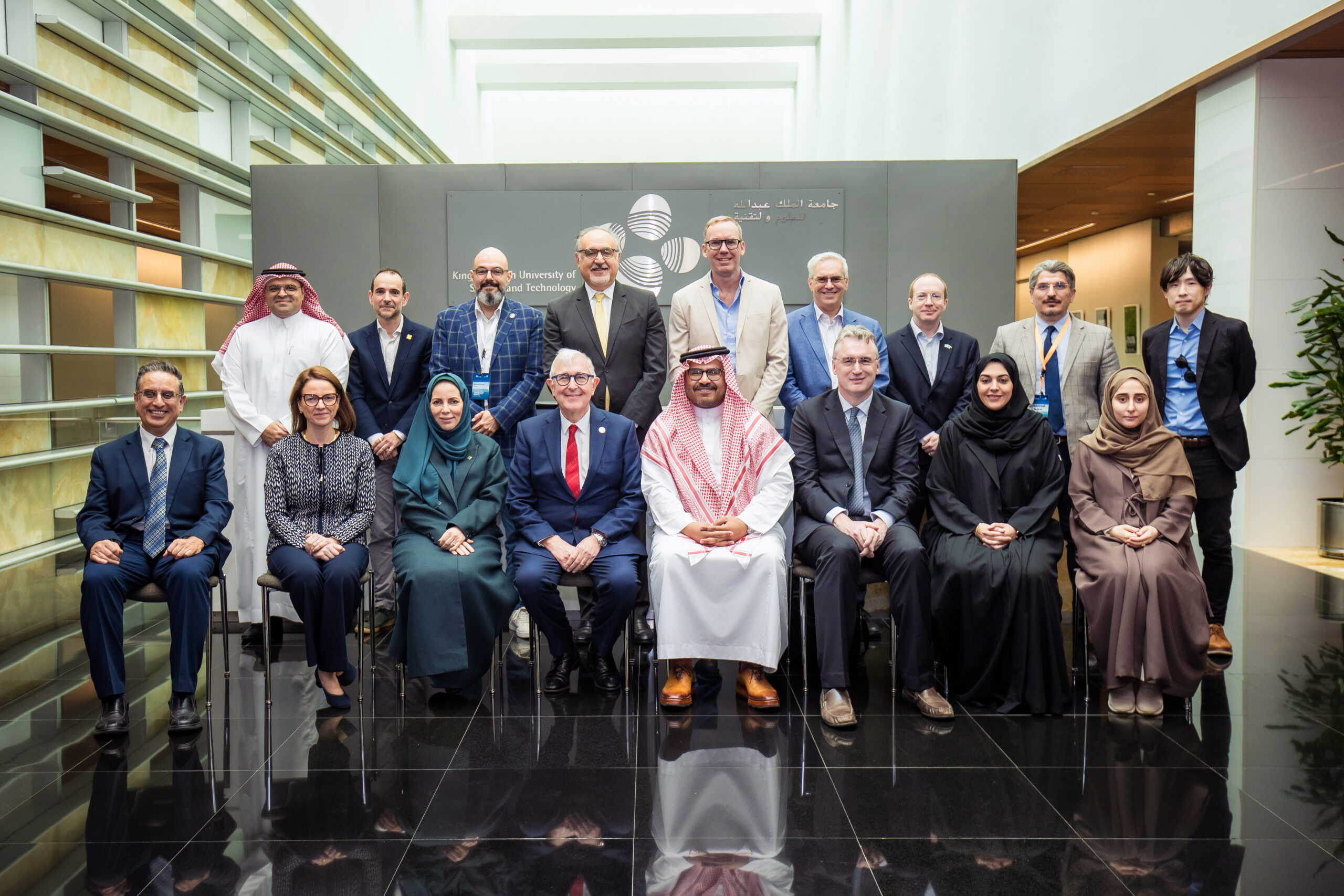
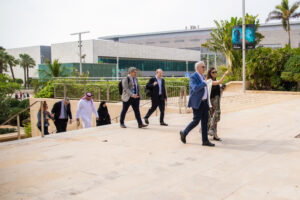
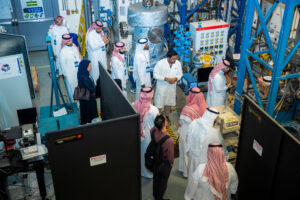
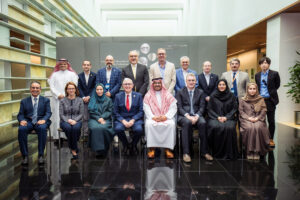
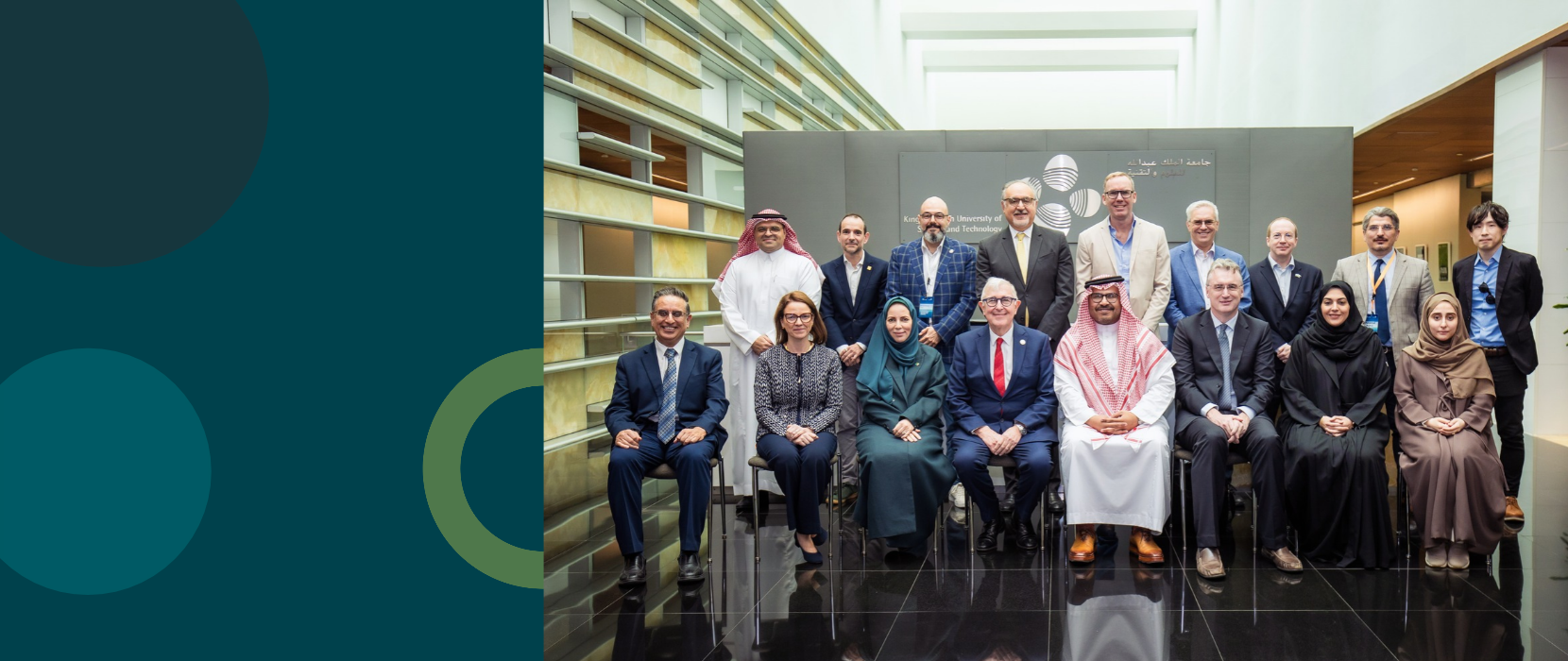
This emphasis on connecting knowledge with national development priorities extended to further engagement with the King Khalid Foundation (KKF), a nonprofit organization working on social investment, institutional capacity building, and evidence-based policy advocacy. Discussions explored potential collaboration in sustainability education, policy dialogue, capacity development, and social innovation, including opportunities to strengthen connections between sustainability reporting and national development objectives.
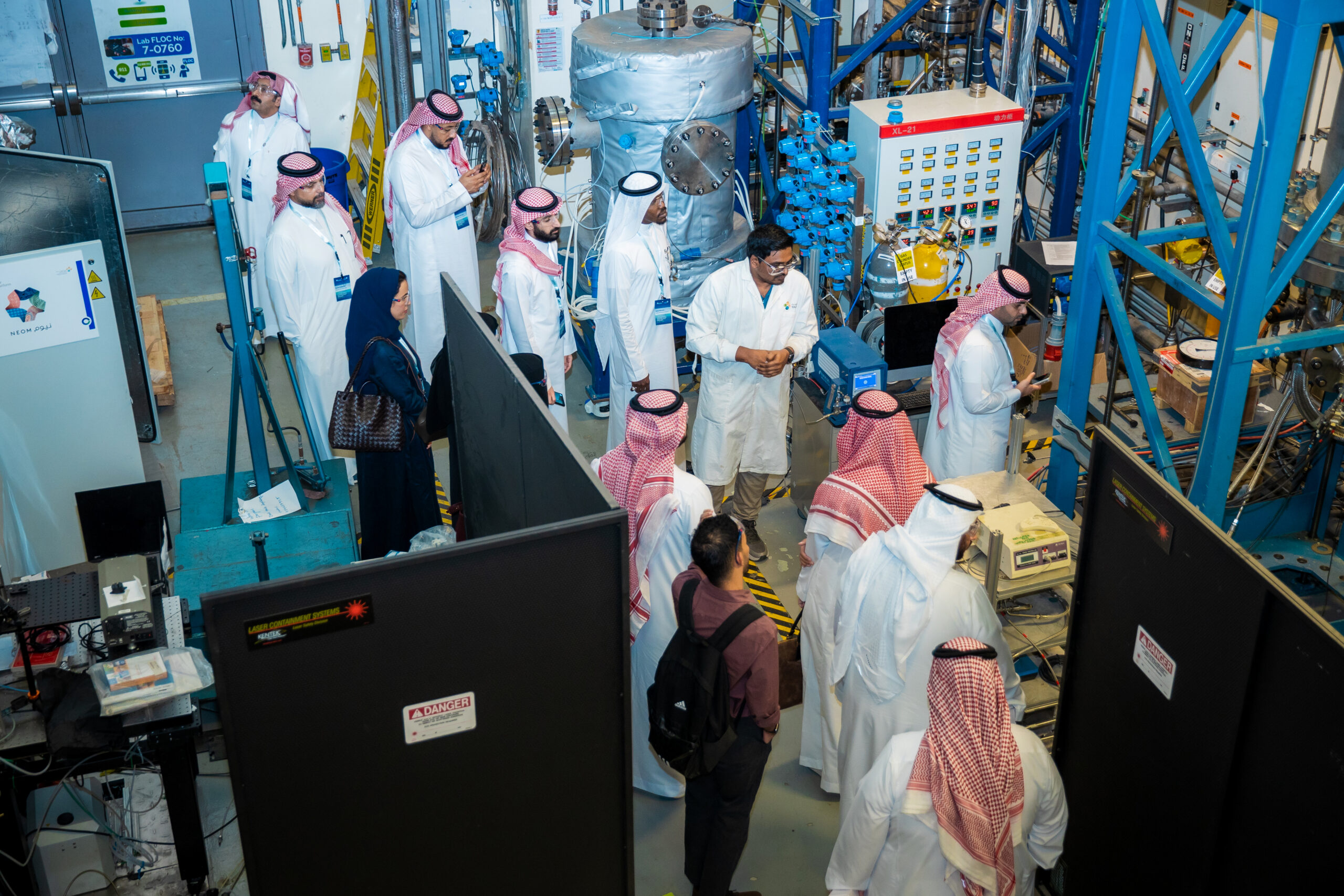
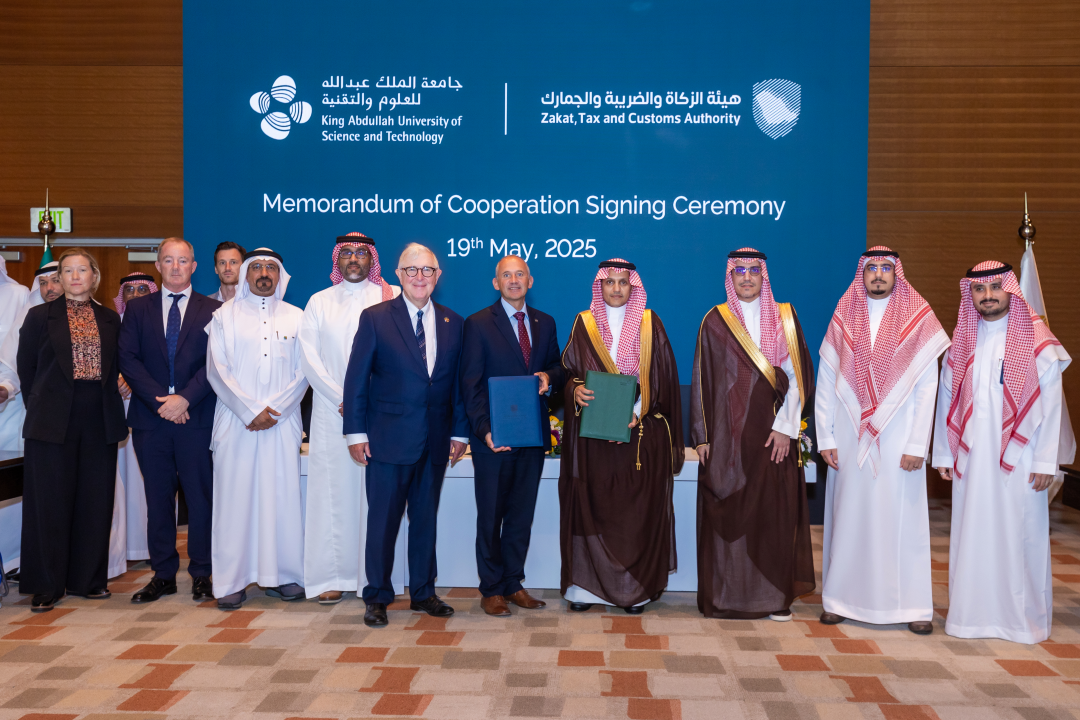
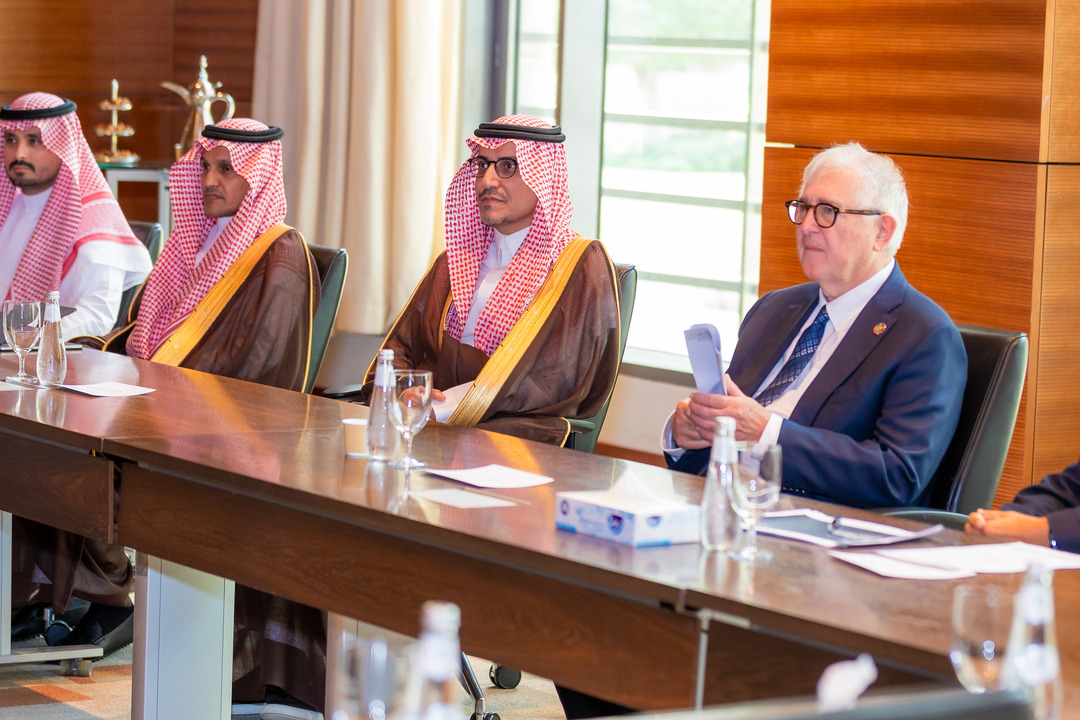
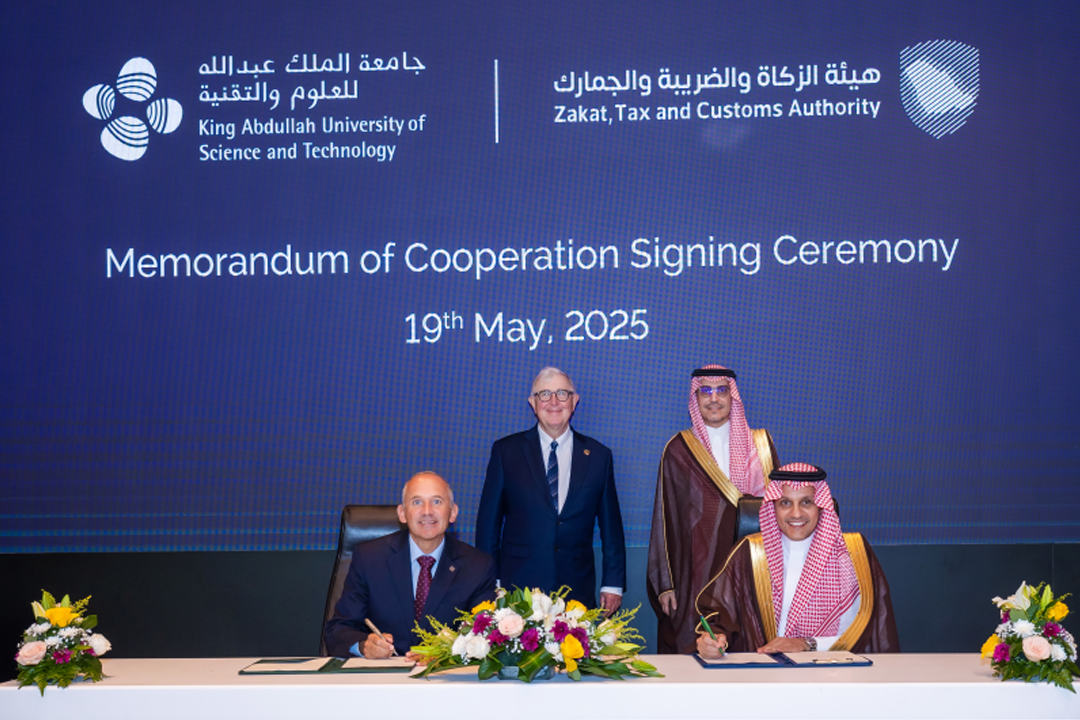
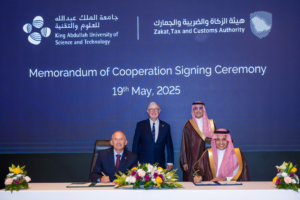
Beyond policy engagement, KAUST also expanded cooperation with Zakat, Tax and Customs Authority (ZATCA), responsible for administering zakat and taxation and regulating customs activities in Saudi Arabia. A cooperation agreement established opportunities to apply KAUST’s research capabilities and technological expertise to public-sector priorities, including sustainability initiatives, operational innovation, knowledge exchange, and capacity building. The collaboration illustrates how university–government partnerships can connect scientific capabilities with the modernization and development of public institutions.
While these initiatives strengthened connections between research and national priorities, KAUST also contributed scientific expertise to international processes addressing global environmental challenges. Over 2025, the University participated in the development of United Nations Third World Ocean Assessment, the UN’s primary global, integrated evaluation of marine environmental conditions and human–ocean interactions. A KAUST faculty member contributed to the assessment’s chapter on invasive marine species, examining how non-native organisms threaten biodiversity, disrupt ecosystems, and create environmental and economic risks. The assessment provides a scientific foundation to inform international ocean governance and marine conservation policies.
KAUST’s international engagement also included participation in the 2025 UN Ocean Conference in Nice, France, where the University contributed to discussions on ocean exploration, scientific collaboration, and the development of future marine researchers. Through activities associated with OceanQuest’s Around Africa Expedition, KAUST shared experiences from deep-sea exploration, including research at depths of 500 meters, while engaging international audiences through expert discussions and science communication activities.
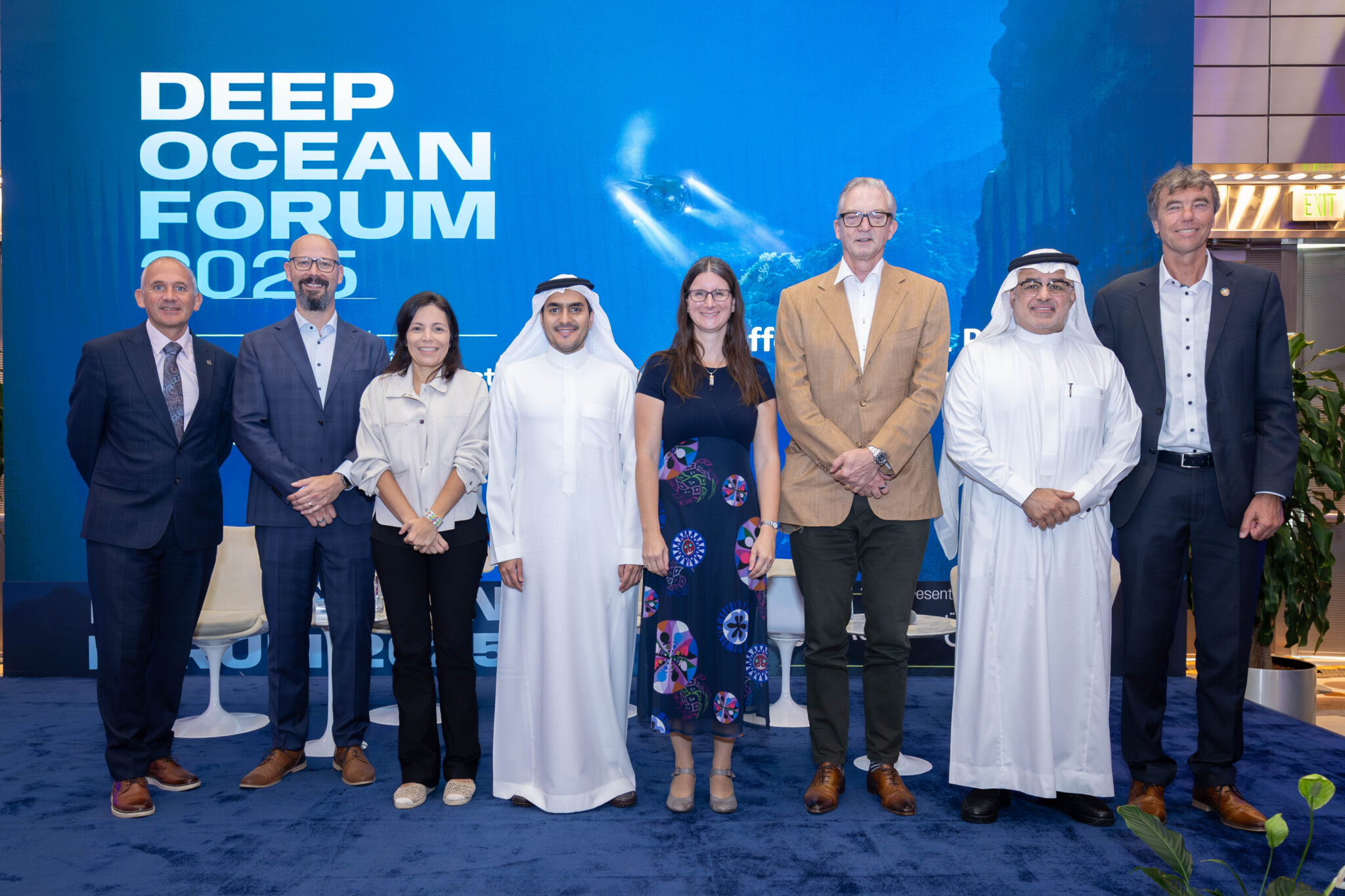
Complementing these international exchanges, the KAUST–OceanQuest Deep Ocean Forum brought together representatives from academia, government, and industry to explore scientific and technological opportunities for advancing marine research in the Red Sea. Discussions highlighted emerging exploration technologies, research infrastructure, and opportunities for collaboration to improve understanding and conservation of marine ecosystems.
Connecting institutions around shared sustainability challenges also remained central to KAUST’s engagement with the private sector and civil society. As part of its Sustainability Seminar Series, the University hosted a discussion with the United Nations Global Compact Network Saudi Arabia, exploring how businesses, universities, and other organizations can advance responsible practices and contribute to national and international sustainability priorities.
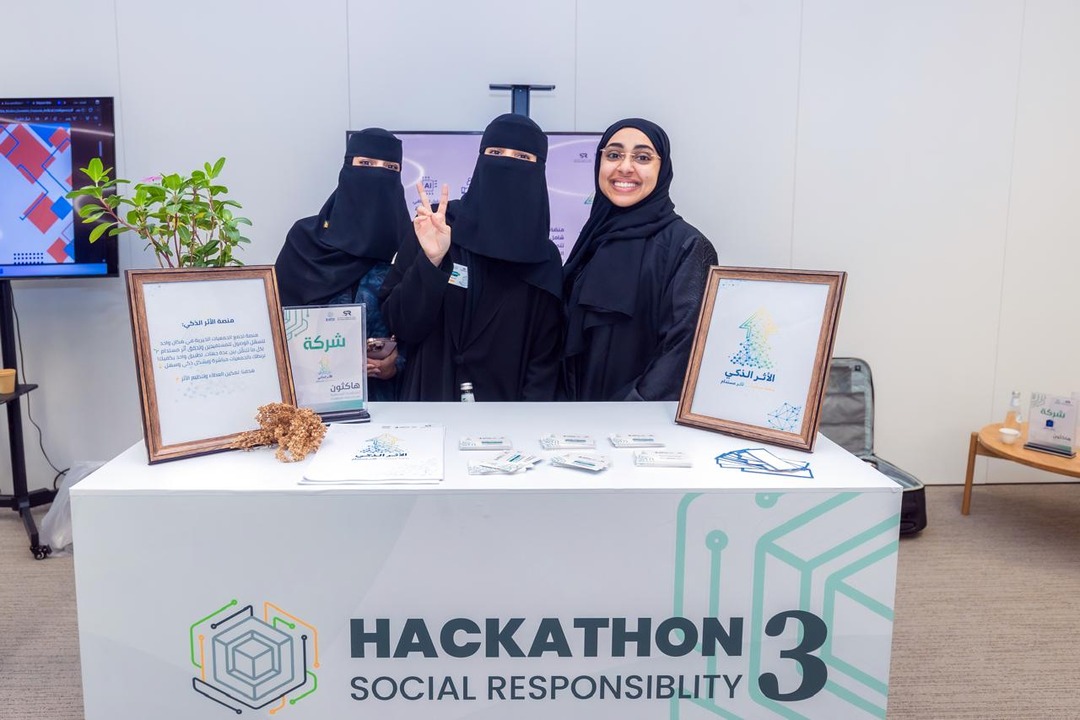
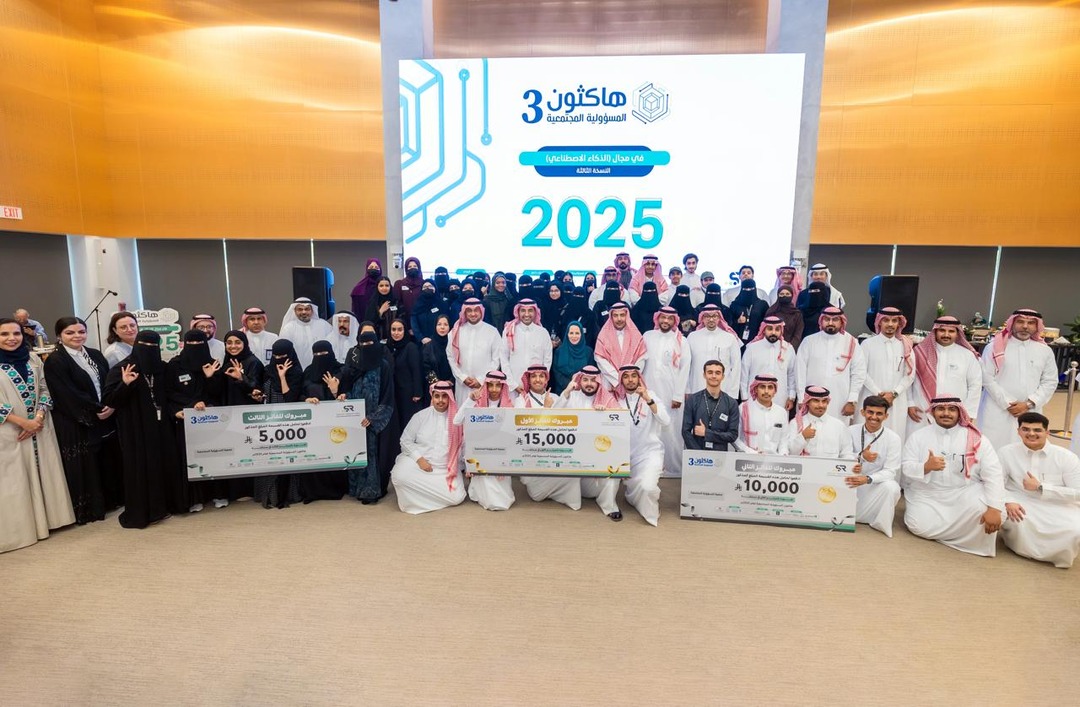
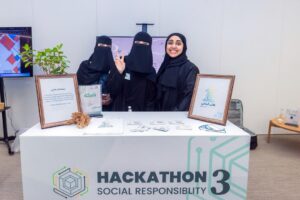
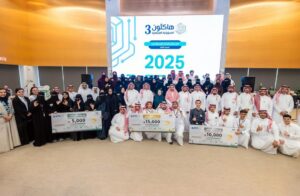
This commitment to cross-sector collaboration also translated into opportunities for social innovation. Partnering with the Social Responsibility Association (SRA), KAUST hosted the third annual Artificial Intelligence Hackathon, bringing together 73 participants from across Saudi Arabia. The initiative aimed to generate 14 socially oriented projects addressing challenges in housing, education, tourism, and social development. By combining technological innovation with community needs, the collaboration encouraged digital entrepreneurship and demonstrated how academic and nonprofit partnerships can support practical approaches to societal challenges.
Together, these efforts illustrate how KAUST keeps strengthening the connections between scientific knowledge, institutional decision-making, and societal needs. By contributing to policy development, international scientific cooperation, and cross-sector innovation, the University continues to advance partnerships that support Saudi Vision 2030 and collective progress toward the SDGs.