As Saudi Arabia accelerates its transition toward a more diversified and energy-efficient economy, the importance of clean energy extends beyond technological innovation. Scientific advances must connect with national priorities, industrial systems and the everyday decisions made by communities that shape energy demand. Throughout 2025, KAUST worked across these areas, helping move clean-energy knowledge from research toward practical application and wider adoption.
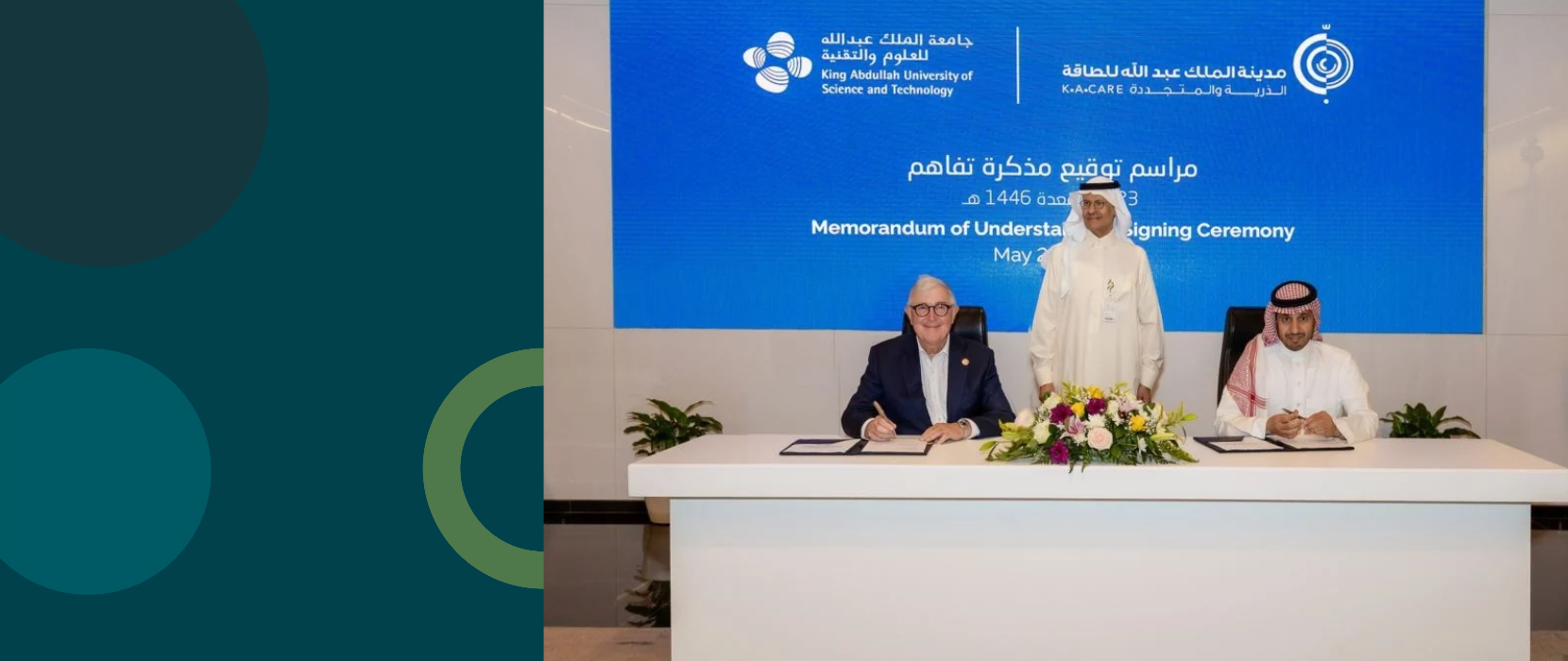
Strengthening the connection between scientific research and national energy priorities remained an important part of this work. The University signed a Memorandum of Understanding with the King Abdullah City for Atomic and Renewable Energy (KACARE), the government institution supporting the development of atomic and renewable energy in Saudi Arabia. The agreement established cooperation in areas including renewable energy, hydrogen, artificial intelligence and innovation, creating a framework for developing clean-energy technologies, prototypes and applied solutions while creating opportunities for technical knowledge exchange and informed decision-making around the Kingdom’s evolving energy needs.
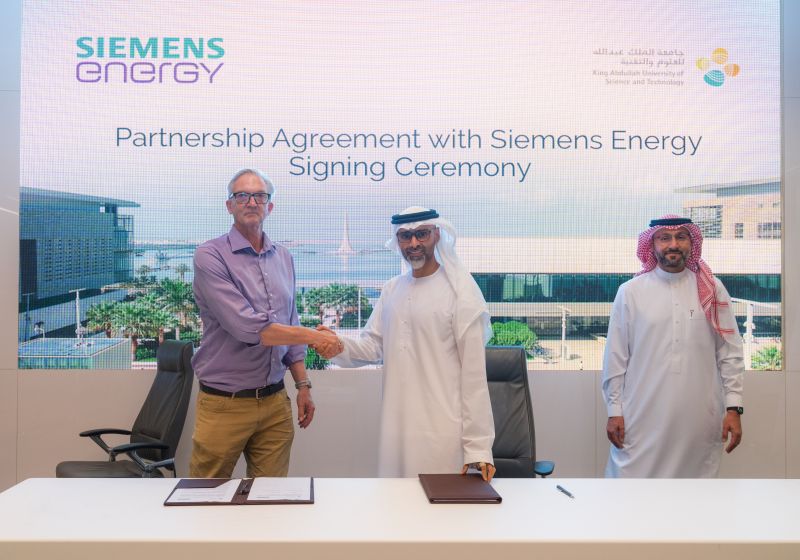
The challenge of translating innovation into practice is particularly important for energy-intensive industries, where improvements in efficiency, resource use and emissions can have significant effects at scale. KAUST’s collaboration with Siemens Energy connects University research with industrial expertise to explore renewable energy and green technologies and their integration into existing energy systems. The partnership focuses on solutions that can improve energy and resource efficiency, reduce emissions and support cleaner industrial operations.
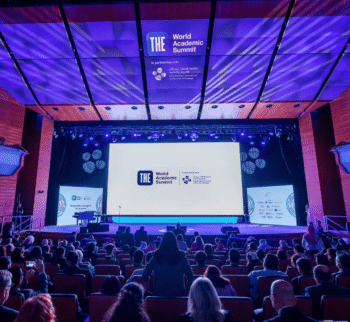
Alongside these partnerships, scientific exchange helped reinforce this connection between research and application. KAUST’s Research Conferences “Optimizing Energy in the Circular Economy” and “Catalyzing the Energy and Chemical Transition toward Circularity” brought researchers, technical experts and industry representatives together around challenges facing future energy and production systems. Discussions ranged from energy efficiency, waste-to-energy and waste-heat utilization to carbon capture, sustainable catalysis, reactor design and process optimization. Rather than treating these areas separately, the conferences explored how advances across technologies and processes can contribute to more efficient and circular industrial systems.
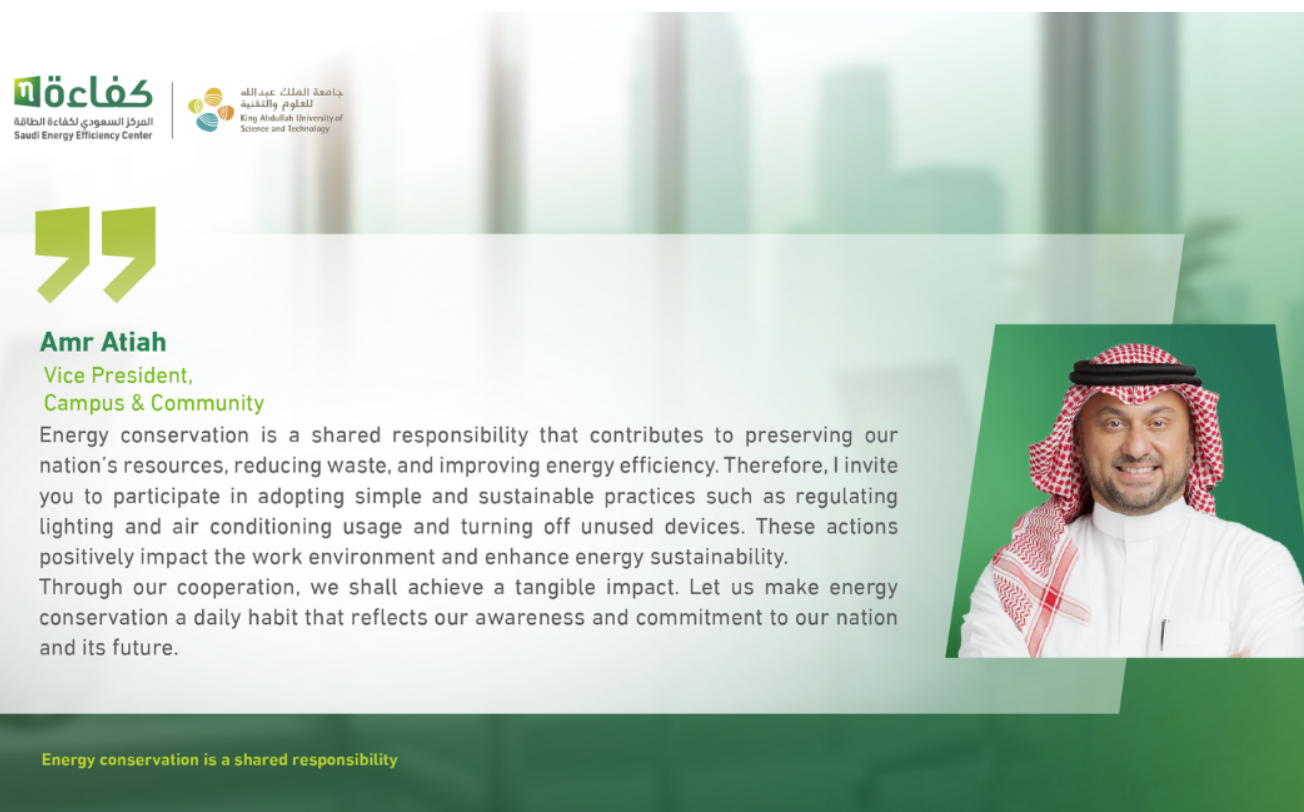
Energy efficiency also depends on how energy is used beyond laboratories and industrial facilities. Supported by the Saudi Energy Efficiency Center (SEEC), the University’s Energy Conservation is a Shared Responsibility campaign translated energy-efficiency principles into actions for households and the local community. Accessible guidance on everyday energy use helped connect national efficiency priorities with individual choices and reinforced the role communities can play in reducing unnecessary consumption.
Across these efforts, KAUST is helping connect different parts of the energy transition: research with government priorities, innovation with industrial application, and energy-efficiency knowledge with community action. This integrated approach supports the development and adoption of cleaner technologies while contributing to more efficient use of energy and resources across Saudi Arabia, aligning with SDG 7: Affordable and Clean Energy, which aims to ensure access to affordable, reliable, sustainable and modern energy for all.